Understanding the Concept of Sosoactive Education in Today’s Classrooms
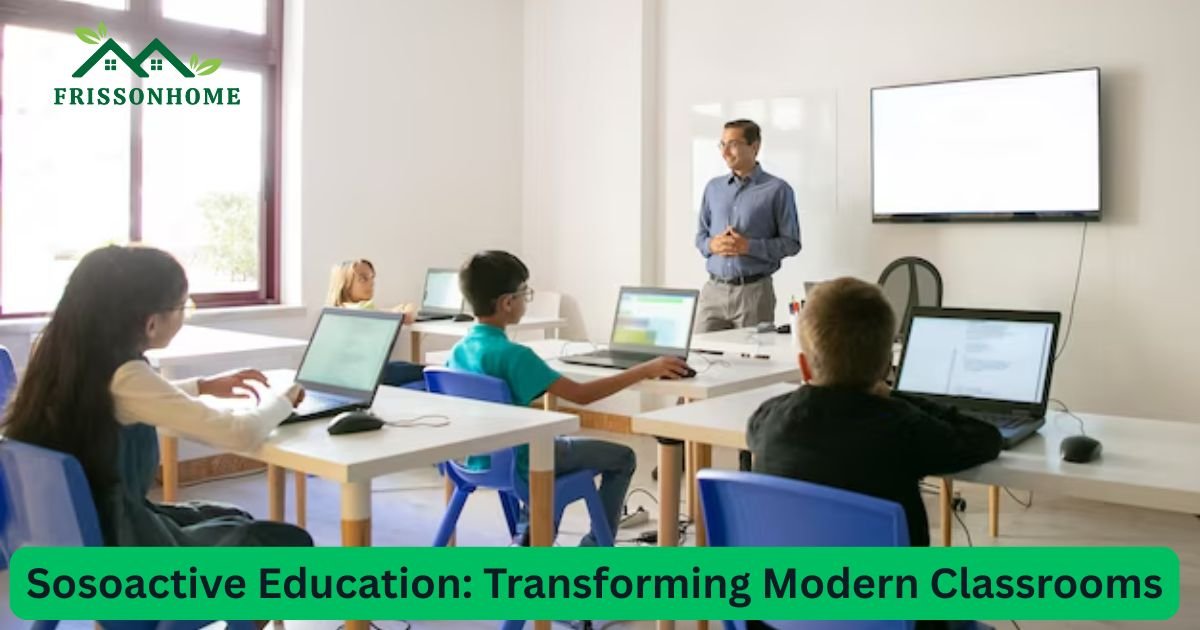
Imagine a classroom where students are fully engaged, exploring ideas through sosoactive learning instead of just listening to lectures. Active classroom engagement drives curiosity, while interactive teaching methods encourage collaboration and communication. In this modern approach, learners experience hands-on learning techniques that connect theory with practice, creating real-world learning experiences they can relate to.
Sosoactive education transforms traditional instruction into a dynamic teaching approach, where students take the lead in discovering knowledge. By focusing on student-centered learning and classroom innovation, teachers foster critical thinking, creativity, and confidence. Understanding this method is key to shaping modern classrooms and preparing students for the future.
How Sosoactive Education Redefines Traditional Learning Models
Traditional lessons often feel slow, but Sosoactive Education creates an interactive classroom experience with steady movement, dialogue, and learning through interaction. Students gain deeper understanding because the method uses modern teaching methodology and real tasks instead of passive listening.
Key Benefits of Sosoactive Education for Student Growth and Engagement
Strong benefits appear quickly. Students feel excited because they enjoy creative learning activities that sharpen problem-solving abilities and support collaborative problem-solving. Teachers notice that learners respond better since the lessons use a technology in education mindset that connects them with ideas they understand.
You also see more confidence because the method increases enhanced student motivation and improves deep learning comprehension. With Sosoactive Education, students develop life skills through project-based education and guided conversations that build communication, curiosity, and social awareness through steady teacher–student interaction.
Why Student Motivation and Critical Thinking Improve in Sosoactive Settings
Students feel involved when lessons include engagement-based learning and active learning process structures. This creates a stronger bond with content that boosts thinking, reflection, and personal connection to schoolwork.
How Technology Enhances Interaction and Active Participation
Technology boosts learning because it supports education technology integration with digital learning tools that make lessons more exciting. These tools also create technology-driven lessons where students learn faster and stay more focused during activities that feel fun and meaningful.
You see improvement because apps and online platforms guide learners along personalized learning paths with adaptive learning tools. Students also receive real-time feedback for students, helping them correct mistakes quickly and adjust strategies while teachers monitor progress through modern instructional technology use.
Digital Tools That Strengthen Sosoactive Education Experiences
Digital platforms allow digital learning platforms to blend with lessons so students enjoy smoother learning. This makes participation rise because learners interact with tasks that match their needs and learning style.
Proven Sosoactive Learning Methods That Work in Real Classrooms
Teachers in USA schools use strong methods such as project-based education which turns lessons into meaningful tasks. Students explore problems and create solutions while improving critical thinking skills and shaping stronger voices through communication and teamwork practices during group work sessions.

Many classrooms also use gamified lessons, flipped learning model, and peer-led learning. These methods increase energy because learners try challenges, share ideas, and explore multiple viewpoints. This creates a rich interactive classroom experience that improves memory, confidence, and curiosity.
Project-Based, Gamified and Flipped Learning as Core Sosoactive Models
These models support engagement-based learning by giving learners freedom to explore tasks and discover answers independently. Students feel active, alert, and ready to learn because each method encourages movement, discussion, and deeper thinking.
The Evolving Role of Teachers in Facilitating Dynamic Learning
Teachers guide learning by using a strong teacher facilitation role. They no longer dominate lessons because students take the lead through exploration, discussion, and inquiry. Teachers create a safe space where mistakes help growth and conversation drives thinking.
Modern teachers use a dynamic teaching approach to design activities that spark questions. They use coaching, storytelling, and reflection to support learning style adaptation. This approach builds stronger relationships through constant feedback and steady teacher–student interaction.
How Educators Transition From Instructors to Learning Facilitators
Educators shift roles by focusing on educational innovation techniques that center the learner. This shift gives students the power to explore ideas while teachers support growth through guidance and encouragement.
Effective Strategies to Implement Sosoactive Education in Schools
Schools begin with small changes to introduce Sosoactive Education. They create spaces that support movement, teamwork, and creativity. They also provide technology in education tools that shape technology-driven lessons and help students stay involved.
Leaders plan training that supports teachers as they learn new methods. This training focuses on interactive teaching methods, communication, and clear planning strategies that match each school’s goals. Teachers receive resources that support reflection and improvement to strengthen modern classroom strategies.
Practical Frameworks Schools Can Use for Smooth Adoption
Schools thrive when they build a culture that encourages instructional technology use and student participation levels. This steady support helps teachers and students adjust to the new system easily.
Common Challenges in Adopting Sosoactive Learning and Practical Solutions
Some schools struggle with limited resources or lack of training. But using simple tools and offering teacher workshops solves many problems. Teachers learn to choose activities that fit their classes and focus on small steps that build confidence and success slowly.

Other challenges appear when students feel shy or unsure. But Sosoactive Education encourages teamwork and collaborative classroom environment habits that reduce fear. Students grow comfortable because they see others participate, explore ideas, and learn through conversation.
Overcoming Resistance, Resource Gaps and Training Barriers
Schools overcome challenges by giving teachers time, tools, and space to plan. This reduces fear and builds trust as educators try new modern teaching methodology ideas that encourage stronger student understanding.
The Future of Dynamic and Technology-Integrated Education
Future USA classrooms will use more education technology integration to improve focus, speed, and creativity. Lessons will include more digital learning tools that offer faster feedback and personalized mapping so each learner receives guidance that fits their pace and needs.
Students will shape their own futures because Sosoactive Education supports student-centered learning and flexible learning paths. This creates powerful confidence and independence as learners prepare for jobs that require innovation, teamwork, and creative thinking.
Predictions for USA Classrooms Using Sosoactive Education Approaches
Future classrooms will feel more open and interactive as teachers use modern classroom strategies that support participation, movement, discovery, and curiosity.
Real-World Examples and Case Studies of Successful Implementation
One USA school improved engagement by using project-based education where students created community plans. Teachers recorded major growth in literacy, teamwork, and problem-solving abilities because the tasks felt meaningful. Students also showed higher curiosity because they enjoyed real-world learning experiences.
Another district used flipped learning model to increase understanding in science. Students watched simple videos at home then performed experiments in class. Teachers noticed better confidence, stronger communication, and faster improvement in deep learning comprehension during activities.
USA-Based Sosoactive Education Success Stories You Should Know
In California, a school reported large gains in student participation levels after adopting engagement-based learning. Students felt more involved and teachers saw higher motivation.
Conclusion
Sosoactive Education changes the way USA classrooms think and operate. It increases confidence, creativity, and communication through interactive teaching methods and real-world learning experiences. Students thrive because the system supports growth, curiosity, and independence through meaningful lessons and steady guidance.The method builds strong future thinkers because it uses modern classroom strategies and education technology integration to support personal discovery. Sosoactive Education prepares learners for real jobs and real challenges through teamwork, conversation, and innovation.