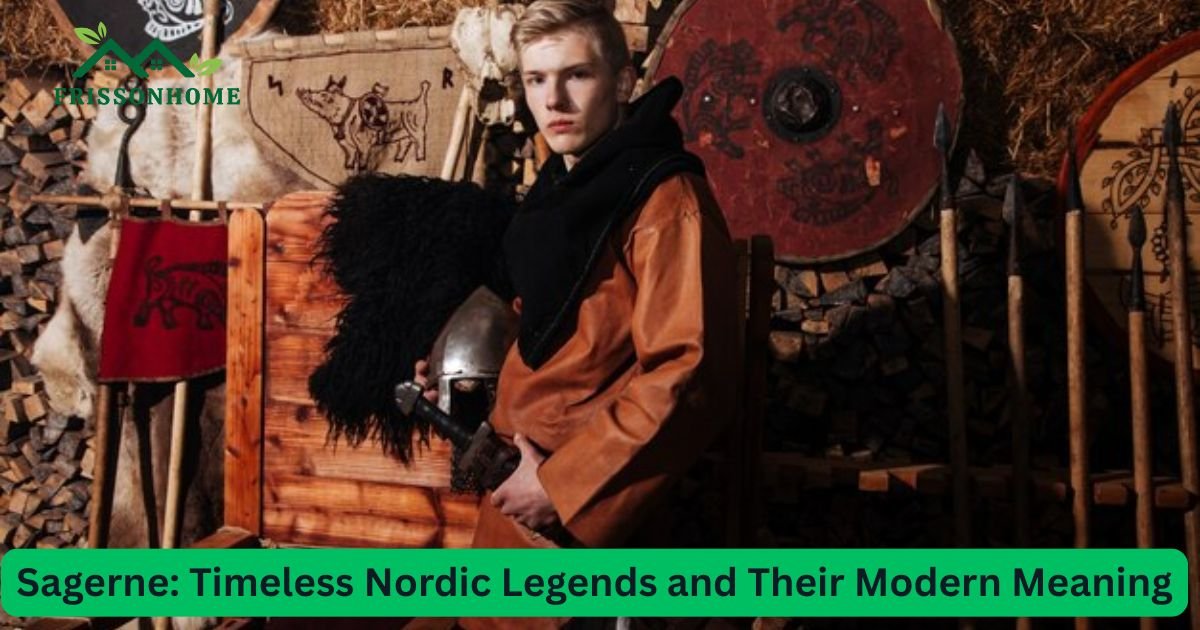
Nestled in the heart of Northern societies, the tales of Sagerne echo through time as windows into a vanished world of courage and faith. These ancient Nordic tales were more than just stories; they were lifelines of knowledge, carrying lessons of strength, loyalty, and destiny. Each saga unfolded through Norse storytelling traditions, where heroes, gods, and mortals shared one stage of imagination.
The Sagerne legends reveal how myth shaped reality and how words preserved entire cultures. Even today, the influence of these narratives continues to inspire art, literature, and identity, bridging the gap between forgotten traditions and the modern spirit of discovery.
Introduction to Sagerne and Its Dual Legacy
The story of Sagerne begins in the icy lands of the early North, where communities shared tales that shaped their beliefs. These stories, passed through oral traditions, were more than entertainment — they carried wisdom and truth. The origins of the Sagerne people lie in a world where storytelling was sacred, connecting humans to nature and the divine. Each saga gave voice to ancient northern storytellers, whose words guided entire generations.
Over time, the word Sagerne evolved. In modern Danish, it means “the cases” or “the matters,” reflecting how stories turned into structured forms of record and law. This transformation shows how language evolves with society. The dual nature of Sagerne reminds us that every word carries layers of memory — from the firesides of early Northern civilizations to courtrooms in modern Denmark.
Historical Roots of Sagerne in Early Northern Societies
The Sagerne legends are rooted in the endurance of ancient tribes of the North, who survived through unity and tradition. In those times, survival depended not only on strength but also on shared community traditions and legends. These stories helped people make sense of harsh winters and unseen forces. The role of Sagerne in society was vital — they served as keepers of truth and guides for moral living.
Archaeological studies reveal traces of these ancient storytellers across Nordic history, from carvings on stones to runic inscriptions. The tales captured in these artifacts give us a glimpse into historical narratives that shaped Northern folklore and identity. Each myth or story acted as a historical record long before writing became common, ensuring the preservation of Sagerne heritage.
Mythology, Beliefs, and Legendary Stories of the Sagerne People
The Sagerne mythology and beliefs center around deep respect for nature. Mountains, rivers, and forests were seen as living spirits. This mythology of nature spirits defined their worldview and moral code. The mythological creatures of their world — giants, elves, and talking animals — reflected human emotions and struggles. Such ancient beliefs and rituals carried lessons of courage, loyalty, and respect for life.

Some famous Sagerne sagas include The Seven Trials and Eldor’s Quest. These legendary sagas tell of heroes who battled fear and fate to protect their people. The heroic sagas and moral lessons found in these tales shaped their cultural identity. Just like the legends of King Arthur or Greek mythology, the Sagerne legends mirror universal human experiences — love, sacrifice, and destiny.
The Role of Sagerne in Shaping Northern Identity and Society
In early Northern societies, Sagerne was more than just storytelling. It was the heartbeat of cultural preservation. Every community gathered around fires to listen, learn, and share. The cultural impact of Sagerne tales helped strengthen bonds among families and clans. The stories passed through generations became the shared soul of Scandinavian heritage.
Here’s how Sagerne influenced early Nordic life:
| Aspect | Cultural Function |
| Education | Teaching values and traditions |
| Entertainment | Passing long winters through shared stories |
| History | Recording ancestral events |
| Religion | Explaining divine powers and nature |
Through these traditions, Sagerne became the moral compass of the North. It inspired Nordic heroes, leaders, and thinkers who carried forward the wisdom of their ancestors.
Linguistic Evolution of the Word “Sagerne” in Danish
The word Sagerne comes from the root sag, meaning “story,” “matter,” or “case.” Linguists trace its evolution to Old Norse, where it described both tales of heroes and disputes in society. Over centuries, its meaning shifted. Today, in Danish, it represents “the matters” or “the cases.” This change shows how language mirrors cultural change — from oral storytelling in early societies to structured legal terms.
In a linguistic sense, Sagerne became a bridge between myth and modern law. What began as stories of ancient Northern tribes turned into terms used in courts and government. This connection between myth and identity is unique in the Danish tongue, where every word carries echoes of history and tradition.
Everyday and Legal Uses of Sagerne in Modern Danish Language
In modern Denmark, Sagerne appears everywhere — in newspapers, offices, and courts. It often refers to legal or administrative matters, as in politiets sagerne (the police cases). Yet its roots in storytelling remain. This blend of old and new gives Sagerne an unusual richness of meaning.

Beyond law, Sagerne is part of idiomatic speech. When Danes discuss “solving life’s matters,” they still echo the spirit of their ancestors. It’s fascinating how words evolve yet keep their essence. The influence on modern literature and art also shows how Sagerne connects the practical and the poetic, reflecting both order and imagination.
Cultural and Narrative Importance of Sagerne Across Time
The legacy of Sagerne storytelling continues to shape how people understand the past. Modern writers and filmmakers draw from Norse storytelling traditions and Scandinavian mythology to create works that thrill global audiences. The cultural impact of Sagerne tales is visible in movies, novels, and even games that celebrate the epic sagas of ancient heroes.
For American readers, this connection feels familiar. Stories like Vikings or Marvel’s Thor bring Northern folklore to life. They reveal the meaning and symbolism in Nordic folklore that still resonate today. Through this ongoing revival of ancient storytelling, old voices speak again, reminding us that storytelling never dies — it evolves.
Preservation, Revival, and Global Interest in Sagerne Heritage
The modern revival of traditions shows that people want to reconnect with their ancestral traditions. In Denmark and across Scandinavia, storytelling festivals in Scandinavia celebrate these ancient tales. Schools and cultural centers promote Sagerne cultural revival, teaching young people about folklore preservation and importance of cultural preservation.
Technology also plays a role. Digital archives, podcasts, and social media allow worldwide access to Nordic history and myth. Museums display ancient manuscripts and artifacts linked to Sagerne legends, ensuring the stories remain alive. These efforts highlight how heritage adapts in the digital age, combining tradition with innovation.
Why Understanding Sagerne Matters Today
Why should modern readers, especially in the U.S., care about Sagerne? Because these stories teach timeless lessons. They remind us that courage, unity, and belief in something greater than ourselves matter — even today. The revival of ancient storytelling encourages reflection on our own roots and values.

When we study Sagerne, we explore how language, myth, and society intertwine. It’s a mirror of human nature — our fears, hopes, and dreams. The connection between myth and identity in these sagas shows that every culture holds its truth through stories. Understanding Sagerne means understanding ourselves a little better.
Conclusion
From ancient Nordic tales whispered by ancient storytellers to modern Danish courtrooms, Sagerne stands as a symbol of continuity. It embodies the journey of Northern societies, their mythic heritage, and their enduring voice. The preservation of Sagerne heritage proves that words can outlive centuries, carrying wisdom from the past into today’s conversations.