Introduction: Understanding the Quartist Phenomenon
The creative world is undergoing a major transformation, and at the center of this shift is the rise of the Quartist. A Quartist is an artist who thrives in collaborative creativity, blending their unique artistic skills with others to produce groundbreaking work. Unlike traditional artists who often work in isolation, Quartists embrace teamwork in art, using digital tools for creativity to push boundaries and redefine the creative process.
This new identity is becoming increasingly popular as it allows artists to co-create, share ideas, and innovate in ways that were once impossible. As the creative landscape evolves, Quartists are leading the charge in innovative work and artistic expression.
What is a Quartist? A New Creative Identity Explored
A Quartist is someone who blends artistic versatility with collaboration. Unlike traditional artists, who often work in isolation, Quartists embrace creative teamwork. They work with others, combining different artistic mediums like music, visual arts, writing, and digital design. Quartists use digital platforms for artists to collaborate in real-time, breaking down geographical barriers.
The essence of being a Quartist is to be flexible and adaptable. They don’t just focus on their own vision but on co-creating with others. Art and technology play a huge role in this creative process, allowing them to push boundaries and reach a wider audience. For example, many Quartists use tools like Adobe Photoshop for design, Ableton for music production, or online collaboration platforms like Slack to share ideas quickly.
Core Traits and Qualities That Define a Quartist
A Quartist is defined by several key traits that make them stand out in the world of creative collaboration. First and foremost, they possess artistic adaptability. They can move seamlessly between different types of art, whether it’s visual, musical, or written. This artistic communication helps them bring diverse ideas to life.

Another important trait is creative skills. A Quartist is always honing their craft, learning new techniques and tools to stay relevant. They also understand the importance of feedback in creative work. By listening to others, they improve their creations and create a better final product. This openness to change and collaboration is what makes Quartists so unique in the creative landscape.
The Role of Quartists in Modern Creative Culture
In today’s world, Quartists are playing a major role in how we view artistic expression. As the creative industry grows, there is a strong demand for collaborative projects that combine different perspectives. This is where Quartists shine. They are the bridge between various forms of creativity, bringing together ideas from different backgrounds to create something new and exciting.
The Quartist movement also speaks to the growing importance of social change through art. Many Quartists are using their platform to discuss important issues, from climate change to political movements. By collaborating with others, they help shape conversations in the art world and beyond. Artistic collaboration in this sense becomes a powerful tool for transformation and advocacy.
How Quartists Are Different from Traditional Artists
Unlike traditional artists, who often focus on individual creation, Quartists believe in the power of collective creativity. A traditional artist may create a painting or sculpture that reflects their personal experiences. However, a Quartist works in teams, blending different artistic visions to create a multifaceted piece of art.
This distinction is important because it reflects a shift in how we view creativity. Traditional artists may work alone, but Quartists thrive in collaborative creativity, making art that tells a story from multiple viewpoints. Their work is not just about their own expression, but about bringing a team’s collective ideas to life.
Why the Quartist Concept is Gaining Popularity in Today’s World
The Quartist identity is gaining traction because it taps into the increasing demand for innovative collaboration. As the world becomes more connected through digital tools for creativity, artists are no longer limited by geography or resources. Real-time collaboration allows Quartists to work with people across the globe, pooling their talents to create unique pieces of art.

The demand for artistic versatility is also growing. People want art that is fresh, diverse, and multi-dimensional. Quartists are meeting this demand by collaborating across different artistic fields and using new technologies to expand what is possible. Their ability to mix and match styles and techniques is setting them apart from traditional creators and making them more relevant in today’s fast-paced, ever-evolving creative industry.
Technology’s Role in Empowering Quartists
Technology plays a crucial role in the rise of Quartists. Without tools like digital platforms for artists, collaborating with others across distances would be nearly impossible. Programs like Zoom for video calls and Google Docs for document sharing allow Quartists to communicate and exchange ideas instantly, regardless of location.
Moreover, technology in art enables Quartists to experiment and push the limits of what art can be. From digital painting to interactive video installations, the tools available today allow Quartists to break boundaries. For instance, virtual reality (VR) and augmented reality (AR) are offering new ways for Quartists to create immersive experiences that were previously unimaginable.
Essential Skills and Tools Every Quartist Must Master
To succeed as a Quartist, there are several essential creative skills one must master. First, creative expression and the ability to think outside the box are crucial. Being open to new ideas and being able to translate those ideas into art is at the heart of what it means to be a Quartist. Additionally, artistic adaptability is important because the creative process often involves trying out new things.
Moreover, Quartists must be proficient in using digital tools for creativity. Software like Photoshop for image manipulation, Ableton for music production, and Final Cut Pro for video editing are just some of the tools that help Quartists bring their ideas to life. Mastery of these tools allows them to collaborate more efficiently and create polished, high-quality work.
Challenges and Opportunities: Navigating the Quartist Path
Like any artistic career, being a Quartist comes with its challenges. One of the main challenges is balancing creative teamwork with personal vision. Sometimes, working with others can lead to creative differences that need to be resolved for the project to succeed. It requires strong communication and the ability to compromise.
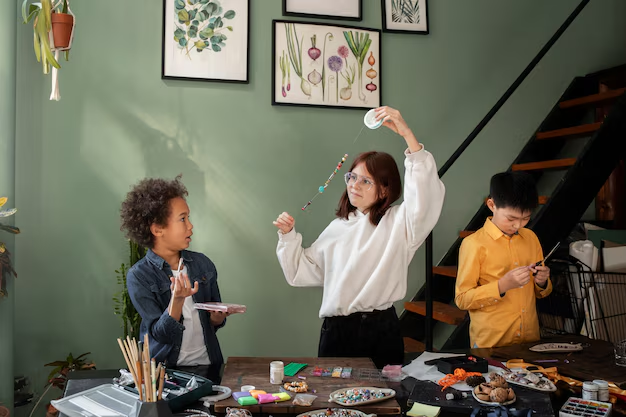
However, there are also many opportunities for Quartists. As collaboration becomes more central to the creative process, Quartists are in high demand. They can use their versatility to work on a wide range of projects, from digital art collaborations to large-scale community art installations. The rise of collaborative creativity means that Quartists have more platforms and outlets than ever to showcase their work.
Conclusion
The rise of the Quartist is reshaping the way we think about creativity. No longer is it just about personal artistic expression; it’s about the power of collaboration and bringing diverse ideas together to create something greater. With the help of digital tools for creativity, Quartists are breaking boundaries and paving the way for the future of art.
As the creative landscape continues to evolve, Quartists will remain at the forefront, using their skills, adaptability, and collaborative nature to push the limits of what art can achieve. So, whether you’re an aspiring artist or an art enthusiast, the Quartist movement is one to watch as it continues to grow and redefine the future of creative expression.