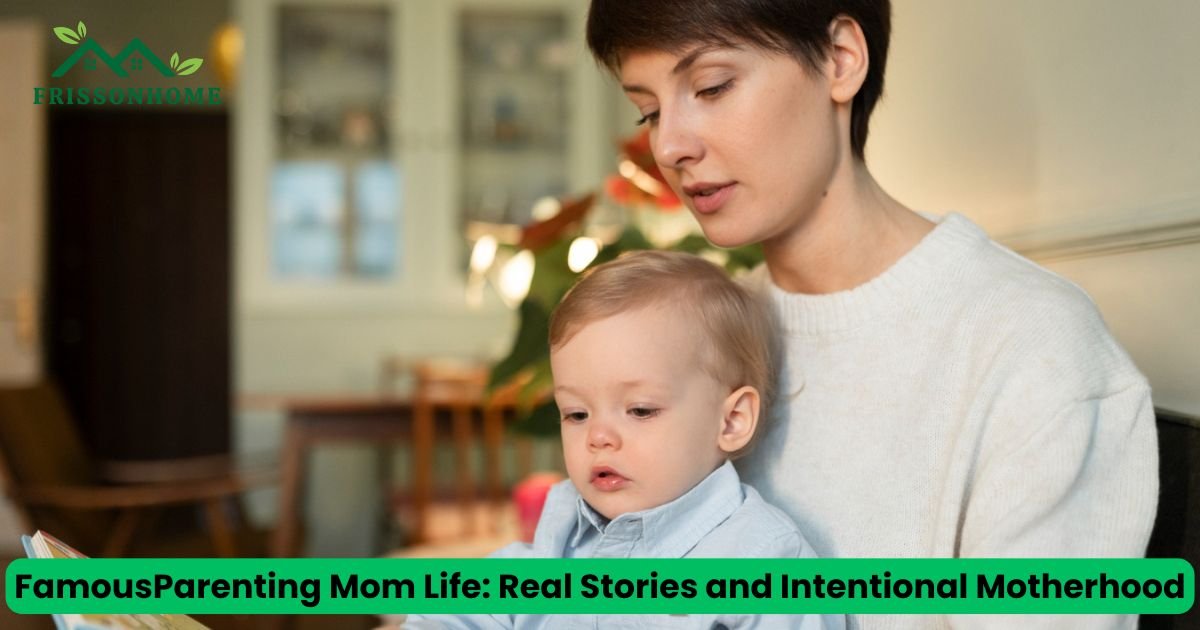
Imagine scrolling Instagram at 2 AM while nursing your baby, eyes burning from screen glare. You see perfectly styled nurseries, gourmet toddler meals, and moms who somehow look refreshed despite claiming sleepless nights. That’s famousparenting mom life—a beautiful contradiction between curated perfection and chaotic reality. Social media promised connection but delivered comparison instead. This phenomenon transformed motherhood into something both inspiring and exhausting. Yet between the highlight reels and messy reality lives actual wisdom worth discovering.
What FamousParenting Mom Life Really Means in 2026
FamousParenting mom life blends influence with intentional parenting in unique ways. Regular mothers build followings by showing up authentically every day. Instagram, TikTok, and Pinterest dominate where modern motherhood gets shared. Research shows 73% of millennial parents check social media before decisions. This changed family life, daily routines, and work-life balance expectations. The space creates mom community alongside intense competition simultaneously.
Today’s climate rewards raw authenticity over polished perfection consistently. Moms sharing postpartum struggles gain more engagement than staged photos. Authentic parenting content validates struggles rather than hiding them. The parenting community loves creators who normalize embracing reality honestly. Algorithms favor real experiences and honest conversations over perfect posts. Balancing responsibilities between creating content and actual parenting brings challenges.
The Reality Behind the Highlight Reel: Real Stories from Modern Moms
Sarah has 20,000 followers and admits her nursery posts needed 47 takes. Her baby screamed through every attempt at perfect content creation. Jessica’s adventure reels hide brutal three-hour toddler meltdowns before filming. Emily’s meal prep videos don’t show the drive-through dinners weekly. These shared stories expose the gap between content and reality. The common thread? Performance conflicts with present, attentive motherhood constantly.
One mom filmed birthday content while managing pressure from brand deadlines. Another missed her son’s first steps because she forgot recording. Celebrating small wins privately matters more than public validation always. Yet letting go perfectionism feels impossible when income depends on it. Balancing responsibilities creates cognitive dissonance and mental health strain. Acknowledging struggles helps others feel less alone in their difficulties.
Sarah’s Story: When the Algorithm Became Her Identity
Sarah documented postpartum fitness and work-life balance hacks very successfully. But checking metrics replaced checking on her children’s actual homework. Her five-year-old asked why mommy always worked on phones. That question shattered Sarah’s rationalization about building connections digitally instead. The algorithm had hijacked her personal growth and family priorities. Now she posts twice weekly and protects weekend family time.
Balancing Visibility and Motherhood: When Your Life Becomes Content
Children become unwitting co-stars without understanding consent implications fully yet. Sharing crosses into oversharing when kids can’t genuinely agree. Some moms earn six figures from lifestyle choices centering children. Creating boundaries requires making choices about serving children versus algorithms. Partners disagree about visibility, creating social media household tension. FamousParenting mom life demands evaluating if content helps or harms. Family values and children’s future autonomy need constant protection.
Successful creators establish clear protocols for protecting privacy very carefully. They never post full names, schools, or trackable location tags. Many use the “ten-year test” for every post decision. Age-appropriate consent conversations start early with veto power given. Some maintain separate private accounts for real loved ones. Setting expectations with family prevents resentment about constant filming everywhere.
The Economics of Parenting Content
Brand partnerships turn hobbies into businesses incredibly fast in 2026. Micro-influencers earn $100-500 per sponsored post on average typically. Macro-influencers command $10,000 or more per single post easily. The income potential attracts work-life balance seekers wanting flexibility. However, profit introduces serious mental health complications nobody expected. Your parenting journey suddenly has stakeholders beyond just family members.
Mental Health, Comparison Culture, and the Hidden Cost of Mom Fame
Studies link social media use with higher maternal anxiety rates. Dopamine loops from likes create genuinely addictive patterns in brains. External validation replaces internal confidence, harming emotional wellbeing very badly. The comparison trap measures your mess against everyone’s edited reels. FamousParenting mom life amplifies the “everyone’s got it together” lie. Algorithms reward perfectionism while punishing true authenticity constantly today.
Mom guilt reaches pathological levels with public parenting scrutiny everywhere. Comment sections become battlegrounds where strangers judge child-rearing philosophy harshly. Curated feeds create unrealistic setting expectations about normal family life. Many influencer-moms describe moods depending entirely on engagement metrics. This dependency undermines self-care and genuine personal growth severely. Handling criticism from faceless accounts drains emotional wellbeing resources completely.
Recognizing When You’re in Too Deep
Warning signs include checking analytics before checking on actual children. Your mood crashing after underperforming posts signals trouble very clearly. Obsessively refreshing notifications during family time indicates problematic attachment issues. When performance overshadows actual raising kids, intervention becomes absolutely necessary. Seeking help from therapists isn’t weakness—it’s genuine wisdom instead.
Privacy vs Authenticity: Drawing Boundaries in the Digital Age
Audiences demand realness but children deserve protecting privacy they can’t consent to. FamousParenting mom life requires constantly navigating challenges between relatability and safety. Successful moms share feelings without showing faces publicly at all. They discuss struggles using pseudonyms instead of exploiting vulnerable moments. This maintains authenticity while protecting privacy for vulnerable family members. Creating boundaries means deciding what’s yours versus your child’s story.

Actionable frameworks determine appropriate sharing journey content very responsibly. The consent test asks if this person can meaningfully agree. The future test considers if your teen would appreciate this. The stranger danger test evaluates if information could endanger children. Partner consent protocols ensure both parents agree before posting publicly. Showing up authentically doesn’t require exploiting children’s private moments.
Finding Your Authenticity Sweet Spot
Balance exists between sharing journey struggles and exploiting vulnerable moments. Discuss feeling overwhelmed without filming your child’s actual meltdown happening. Talk about mental health challenges using “I statements” carefully always. Share lessons from parenting failures without identifying specific incidents involved. This honors real experiences while maintaining identity separate from creation. Honoring experience means valuing family dignity over viral potential always.
Building Your Village: Finding Genuine Support in a Curated World
Digital spaces fill gaps traditional support network left when families scattered. Online communities connect moms navigating challenges like special needs parenting. The mom community transcends geography, offering 3 AM solidarity freely. FamousParenting mom life at best facilitates building connections impossible before. However, connection quality varies dramatically based on community curation choices.
Finding support requires discernment about which online spaces serve you. Toxic positivity groups shaming vulnerable admissions cause more harm instead. Healthy spaces encourage honest conversations without judgment or shame. Balancing responsibilities between online and offline relationships prevents replacement. Nurturing relationships across platforms enriches motherhood when done intentionally.
Moving from Followers to Friends
Transitioning DMs into real friendships requires intentionality and safety awareness. Start by meeting in public spaces during daytime hours only. Local mom groups form through Instagram based on geographic proximity. These hybrids blend digital discovery with face-to-face community building. Fostering growth through real relationships combats social media isolation effectively.
Intentional Parenting Strategies That Actually Work
Intentional parenting differs from perfectionism by focusing on purpose completely. It means aligning daily routines with core family values consistently. The philosophy recognizes good child-rearing adapts to specific children. FamousParenting mom life often misses this by selling one-size-fits-all solutions. True intention requires defining success according to your family’s needs. Practical strategies work universally when principles guide application properly.
Three frameworks provide foundation without demanding perfection or sacrificing authenticity. First, connection-before-correction prioritizes relationship over compliance with behavior. Second, natural consequences let reality teach lessons when safe. Third, developmental lens evaluates expectations against age-appropriate capabilities. Adapting strategies based on temperament demonstrates actual intentional parenting. Trusting instincts from knowing specific children matters most.
The “Good Enough” Parent Philosophy
Donald Winnicott revolutionized child-rearing by introducing “good enough” motherhood. His research showed perfect parenting actually harms children’s resilience development. Kids need manageable frustration to build coping skills independently. Accepting imperfection as the goal fundamentally shifts parenting psychology. Guilt-free parenting becomes possible when struggling sometimes makes you relatable.
Embracing Imperfection: Why Mess and Mistakes Matter More Than Metrics
Defining success by engagement rates distorts parenting priorities catastrophically. Metrics that actually matter include children laughing daily and expressing emotions. Calm bedtimes where everyone feels connected outweigh styled bedroom photos. Follower counts don’t correlate with parenting quality despite algorithms. Celebrating small wins privately builds genuine confidence unlike external validation. FamousParenting mom life succeeds when serving families rather than content.
Permission to fail transforms parenting from performance into growth process. One mom’s burned dinner led to beloved pizza party traditions. A spectacular tantrum taught prioritizing needs over public perception. These learning lessons model resilience and accepting imperfection for children. Mess fosters creativity because perfectionism stifles experimentation and play.
What Kids Actually Remember
Research on childhood memory reveals surprising truths about lasting impressions. Children rarely remember Pinterest-perfect parties but always recall feeling loved. Adult children value presence over presents consistently in interviews. One woman said she remembers her mom singing, not outfits. Raising kids well has nothing to do with digital presence.
Lessons from Famous Moms: What Works and What’s Just for Show
Learning discernment protects against adopting performative practices disguised as parenting advice. Analyze content critically by asking what the creator gains. Red flags include affiliate links disguised as genuine endorsements. Who to follow for genuine famousparenting mom life content? Creators showing failures alongside successes and admitting sponsored influences. Building connections through shared stories indicates trustworthy voices.
Five universally helpful tactics include narrating your actions for language building. Offering choices develops autonomy while validating emotions before problem-solving works. Maintaining consistency in boundaries and practicing repair after mistakes helps. Take principles but adjust applications for your family’s unique needs. Adapting strategies demonstrates intentional parenting versus blind following.
The Moms Getting It Right
Dr. Becky Kennedy offers developmentally-informed scripts without shaming struggling parents. KC Davis revolutionizes mental health conversations through “struggle care” philosophy. Laura Danger brings refreshing honesty about work-life balance impossibilities. These accounts prioritize authenticity over aesthetics and admit limitations.
Conclusion
FamousParenting mom life works best as tool rather than template. Your story matters profoundly whether zero or thousands witness it. Permission granted to engage deeply, casually, or not at all. Defining success according to family values liberates you from algorithms. Trusting instincts from knowing your children beats following any influencer. The mess, mistakes, and mundane moments constitute real raising kids.