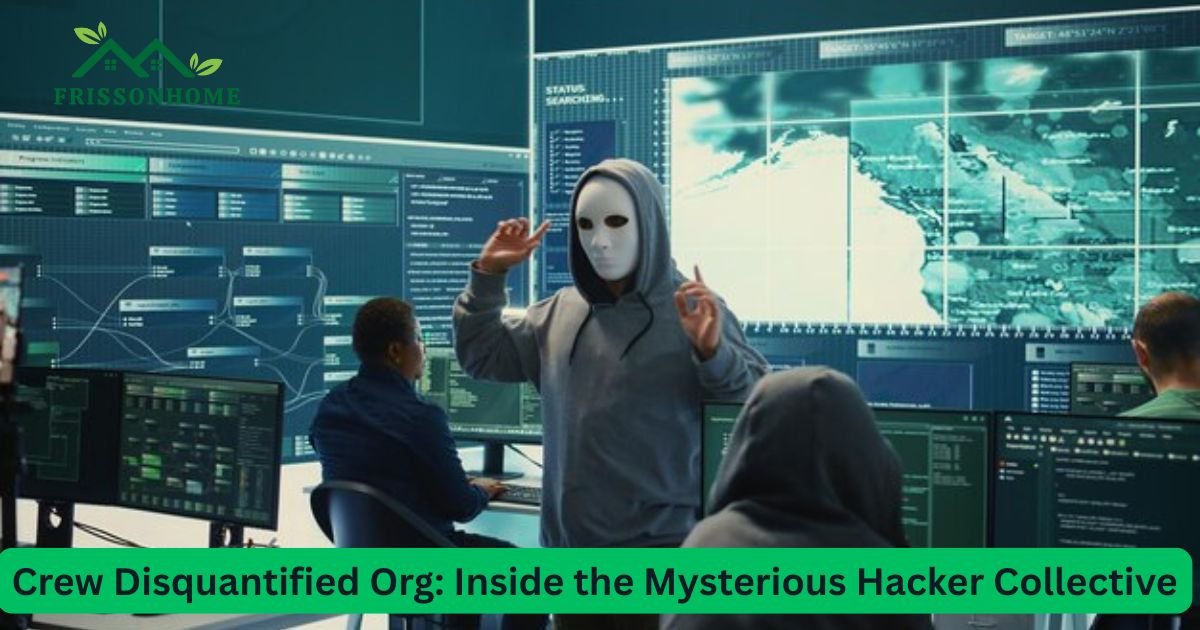
Understanding the Concept of a Crew Disquantified Organization
The world of modern hacking is changing fast, and one of the most mysterious names rising in this space is Crew Disquantified Org. This group has been linked to unusual cyber incidents, hidden networks, and bold digital actions that challenge old ideas about online power. Many people see them as a digital collective, while others view them as an anonymous collective working beyond borders.
Their work often appears in stories about trace-free operations, secret leaks, and unusual disruptions. Some believe they are reshaping the culture of online resistance, pushing discussions about moral ambiguity in hacking into the global spotlight.
Historical Origins and the Forces That Shaped the Model
The first major moment connected to Crew Disquantified Org came during a 2017 tech company data breach that stunned security teams. The leaked files carried unusual marks and references to encrypted signals, a hint at a deeper message hidden inside their actions. Analysts found phrases that aligned with digital anonymity, which made the event feel like a warning to industries ignoring growing security threats in the United States.
Several factors shaped this model. Rapid growth of databases, rising public anger over corporate data abuse, and failures in privacy law allowed the idea of a digital whistleblowing structure to grow. Social movements in the U.S. also demanded stronger digital rights activism after repeated scandals involving facial recognition systems and uncontrolled tracking tools. Many people believe these pressures created the environment that allowed the CDO idea to form naturally.
Why Modern Businesses Are Adopting the Crew Disquantified Approach
Companies now look at the Crew Disquantified Org model because they no longer trust old methods of protecting information. Many leadership teams fear that public exposure of hidden mistakes can destroy their brand overnight. The CDO style encourages data transparency actions, ethical review cycles, and stronger internal honesty. It encourages a mindset similar to high-impact cyber operations that fight problems early instead of waiting for disaster.

Research shows American companies use this approach to rebuild trust with customers. They redesign their systems to avoid information suppression, increase clarity, and reduce chances of legal trouble. This shift is also connected to the rise of movements supporting privacy-focused legislation and public frustration with hidden data-sharing deals. Adopting the CDO mindset helps companies show that they support fairness and accountability without waiting for government pressure.
Scientific and Strategic Foundations Behind the Framework
The Crew Disquantified Org model reflects unique strategies found in complex systems, predictive algorithms, and autonomous AI systems. These systems understand patterns better than humans and can detect flaws early. Many experts believe CDO operations follow the logic of intelligence operatives who know how to hide their footprints. Their actions display untraceable cyber signatures that seem designed to teach companies how to strengthen defenses.
Another part of the framework is the science behind disruption. Every action feels calculated. Every breach resembles a test that exposes weaknesses. This style reflects ideas from hacker culture evolution, where teams work like puzzle solvers instead of threats. It also introduces concepts like decentralized operations, allowing teams to move without fixed leadership. Their decisions feel almost academic, as if they want to spark a digital ethics debate rather than cause destruction.
Ethical Questions, Moral Dilemmas, and Digital Accountability
Every action by a Crew Disquantified Org raises questions about right and wrong. When they reveal hidden problems, they create public conversations that governments avoid. Critics argue that exposing weaknesses can harm innocent people. Supporters insist the alternative is worse because without pressure, most organizations hide their mistakes. This conflict shows the deep tension between order and truth in digital spaces.
Experts describe their approach as filled with moral ambiguity in hacking and unavoidable ethical fallout. Some argue these actions match the work of activist hackers who believe in radical transparency. Others warn that these actions can disrupt entire industries. Groups like privacy advocacy groups say that public oversight is necessary or corruption grows unchecked. These debates continue to reshape how the United States views cyber accountability and fairness online.
The Model’s Influence on Cybersecurity and Digital Ecosystems
The ripple effect of Crew Disquantified Org changed how U.S. companies defend their networks. After several incidents, many organizations shifted to zero-trust cybersecurity, which treats every device as a possible threat. This framework became essential because businesses realized they must be ready for cyber infiltrations even from unexpected places. Companies now run tests similar to trace-free operations to find weaknesses before real attackers can exploit them.

Their influence also appears in culture. New tools inspired by CDO ideas encourage ethical unmasking, open review systems, and stronger digital education. Many creators build open-source privacy tools to help the public fight growing digital control. Documentaries and news reports speak about the rising digital mythos of shadowy cyber groups like CDO. This cultural rise changed how young developers think about responsibility in technology.
High-Impact Interventions and Real-World Case Patterns
Several major cases continue to shape the Crew Disquantified Org legend. The MirrorNet Leak exposed a quiet program that collected user data without consent. The DeepPatent Dossier revealed suppressed patents linked to clean energy patent leaks, a moment that shocked policy makers because it exposed attempts to control future technologies. The bold Echo Run disrupted surveillance drones and exposed facial recognition leaks tied to unregulated monitoring systems. These events showed how digital operations could influence national conversations.
These patterns helped experts understand how CDO works. They created signals in the digital world that feel purposeful. Each event seemed to target systems at the heart of social trust. Analysts found evidence aligned with cybersecurity agencies warnings about growing digital risks. The cases also influenced how leaders talk about cyber resilience frameworks, because they realized these actions expose what is broken, not what is hidden.
Implementation Roadmap for Organizations Ready to Adopt the Framework
Companies in the United States that want to use the Crew Disquantified Org style begin by creating stronger internal transparency. This includes reviewing every product, contract, and system to ensure nothing is hidden from users. Organizations develop systems that allow honest reporting from workers, something similar to technological whistleblowers but focused on improvement rather than blame. Teams also examine digital habits to avoid future scandals connected to corporate surveillance exposure.
The second step is building structures that support fairness, communication, and accountability. This allows teams to reduce mistakes before they grow into national problems. Leaders also focus on reducing risks caused by outdated software or unsafe settings. These actions mirror strategies used by CDO during digital ghost operations, where weaknesses are revealed for the greater good. Firms that follow this roadmap often earn higher trust from customers.
Challenges, Risks, and Proven Solutions for Smooth Adoption
Adopting a Crew Disquantified Org mindset is not easy. Businesses must fight old habits and accept that true safety comes from openness, not secrecy. Many companies fear that revealing internal issues may hurt their image. However leaders who faced similar fears realized that silence often leads to deeper trouble. They had to fix systems linked to corporate data abuse and introduce new tools that protected public rights.

Organizations also struggle with balancing stability and disruption. Too much disruption can hurt daily work yet ignoring problems allows them to grow. Successful companies solve this by building strong internal review teams and creating a plan for data ownership reform. They also study past events linked to CDO to learn how to respond during technology failures. This makes adoption smoother and safer.
Expected Outcomes, Long-Term Impact, and the Future of Crew Disquantified Organizations
The long-term effects of Crew Disquantified Org thinking may change American digital policy for years. Experts predict stronger laws, better tools, and more honest industry standards. They expect new systems designed to protect citizens from surveillance and unfair data use. These shifts will build new expectations for ethical behavior across the entire tech world.
The future may also include tools powered by learning models. These tools will help companies locate flaws early and support digital conscience training programs for workers. Leaders who care about public trust will focus more on fairness than speed. The growing influence of CDO will also encourage global debates about institutional power structures, innovation, and how much freedom people deserve online.
Conclusion
The story of Crew Disquantified Org continues to reshape how Americans understand digital power. Their actions inspired countless discussions about information freedom and justice in a connected world. Journalists and researchers use investigative journalism to follow their influence. Many still question whether CDO is a single group or a shared symbol. What remains clear is that they push the world to rethink how far truth should go, even when it makes industries uncomfortable.