What Are Ciulioneros? A Clear Understanding of the Tradition
The Ciulioneros are much more than performers; they are living embodiments of ciulioneros culture and ciulioneros traditions that have shaped local communities for centuries. Rooted in historical roots, their practices reflect a deep respect for ancestral customs and community traditions, preserving stories, rituals, and artistry that define cultural identity.
Through vibrant dances, music, and storytelling, Ciulioneros connect generations while celebrating local heritage, acting as both educators and guardians of time-honored practices. Their work ensures that these traditions remain relevant in modern society, inspiring appreciation and pride. Understanding the world of Ciulioneros offers a unique window into enduring cultural resilience and community spirit.
Ancient Roots: The History and Origin of Ciulioneros
The ciulioneros history traces back to indigenous heritage and early tribal societies. These communities valued community storytelling as a way to teach morals, history, and survival skills. Over centuries, the role of Ciulioneros expanded, merging ancestral beliefs with local legends. They became central figures in cultural celebrations, acting as guides, entertainers, and educators simultaneously.
Historical records show that Ciulioneros often performed during seasonal festivals and agricultural cycles. Their colorful costumes and traditional craftsmanship reflected the land, nature, and rituals rooted in nature. These folk rituals were carefully preserved, creating a pattern of evolution of cultural traditions that has survived into modern times. Today, their origin stories continue to inspire respect for connection to ancestral wisdom.
Myths, Legends, and Symbolic Beliefs Surrounding Ciulioneros
Ciulioneros are surrounded by myths and historical origins that make them mystical figures in local society. Tales of ancient heroes, spirits, and guardians highlight the cultural significance of ciulioneros. People believed that their dances and rituals could protect crops, heal illnesses, or bring community prosperity. These spiritual beliefs and ceremonies shaped cultural resilience in modern society, allowing traditions to withstand changing times.
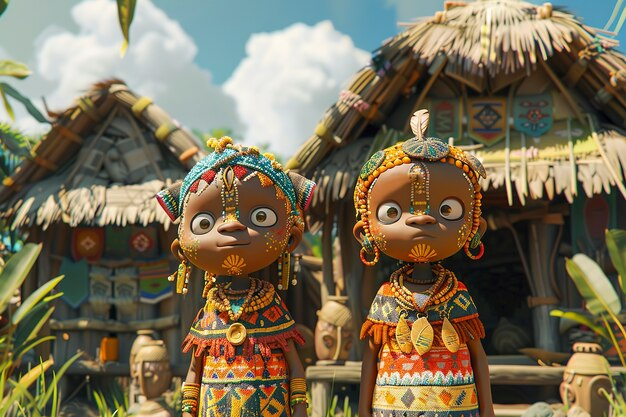
Legends often describe Ciulioneros as mediators between humans and nature. Their symbolic acts during festivals show music and dance as cultural expression, reinforcing community participation in traditions. Storytelling also embeds moral lessons, which are a part of traditional storytelling practices, helping younger generations understand ethics, responsibility, and the sacredness of ancestral customs.
Traditional Practices, Rituals, Music, and Dance in Ciulioneros Culture
Traditional practices define the daily life and community engagement of Ciulioneros. They perform ritual performances during key agricultural and social events. Music and dance as cultural expression are central to their identity, with instruments, rhythms, and steps that have been passed down through craftsmanship passed through generations. The rituals often involve offerings, prayers, and symbolic gestures honoring ancestral beliefs.
Ciulioneros also maintain traditional craftsmanship, creating costumes, masks, and tools for ceremonies. Their educational efforts to preserve traditions help the next generation learn the arts, songs, and dances that reflect cultural identity and unity. Schools and community centers now support programs that teach these skills, ensuring cultural revitalization initiatives remain effective in keeping ciulioneros culture vibrant.
Cultural Value: Why Ciulioneros Matter to Local Identity and Heritage
Ciulioneros are vital in preserving local heritage. They serve as living symbols of cultural identity and heritage guardians. Through community storytelling, they pass down historical narratives, legends, and social values. Their work strengthens social bonds and creates a sense of belonging, emphasizing connection to ancestral wisdom.
Local festivals and ceremonies showcase traditional music and dance and folk rituals, allowing outsiders to experience cultural celebrations firsthand. These events also reinforce importance of safeguarding tradition, giving communities a tangible link to their past. As a result, Ciulioneros ensure that cultural resilience in modern society continues, and traditions are not lost despite rapid urbanization or globalization.
Evolution of Ciulioneros From Past to Present
Over centuries, Ciulioneros have adapted to modern life while keeping ancestral customs intact. The evolution of cultural traditions shows how they balance ancient rituals with contemporary relevance. Their performances now often include modern instruments or storytelling techniques, appealing to younger audiences while maintaining cultural significance of ciulioneros.
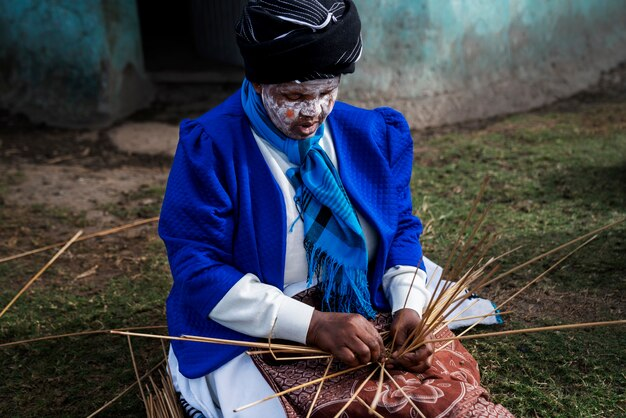
Technology and media have changed the way people experience these traditions. Digital recordings, social media, and virtual workshops enhance community participation in traditions and promote educational efforts to preserve traditions. These adaptations demonstrate the impact of modernization on culture without diluting the essence of ciulioneros culture.
The Role of Ciulioneros in Preserving Local Heritage and Collective Memory
Ciulioneros act as heritage guardians, keeping the memory of communities alive. They help maintain traditional storytelling practices and ensure intergenerational knowledge transfer. Each festival or ritual is a chance to celebrate cultural identity and unity, linking modern participants with historical roots.
By performing rituals rooted in nature and sharing ancestral beliefs, Ciulioneros preserve local values, ethics, and folklore. Their presence strengthens cultural revitalization initiatives by making heritage visible and participatory. In this way, they bridge gaps between generations while nurturing community traditions and pride in indigenous heritage.
Modern-Day Interpretations and Changing Perceptions of Ciulioneros
Today, Ciulioneros are often seen in a broader cultural context. Their role of ciulioneros in community now includes educational, social, and artistic dimensions. Contemporary audiences view them not only as performers but also as custodians of cultural preservation and cultural resilience in modern society.
Artistic adaptations, media coverage, and community programs allow people worldwide to experience their traditions. This modern lens encourages cultural celebrations that merge history with creativity. Ciulioneros now represent both continuity and innovation, showing the importance of safeguarding tradition in a rapidly changing society.
Challenges Faced by Ciulioneros in Today’s Society
Ciulioneros face threats from globalization, urbanization, and declining interest in traditional practices. Younger generations may not engage with ancestral customs, putting ciulioneros culture at risk. Economic challenges also affect the survival of traditional craftsmanship and ritual performances.
Another major concern is cultural appropriation, where symbols and dances are misrepresented outside their community. This weakens the cultural significance of ciulioneros. Preservation requires active educational efforts to preserve traditions, policy support, and community participation in traditions to maintain the integrity of folk rituals.
Preservation Efforts: How Communities Are Keeping Ciulioneros Alive
Communities organize festivals, workshops, and school programs to support ciulioneros culture. Educational efforts to preserve traditions focus on teaching youth traditional music and dance, storytelling, and craftsmanship. Social media campaigns and digital archives enhance cultural revitalization initiatives and reach audiences beyond local regions.
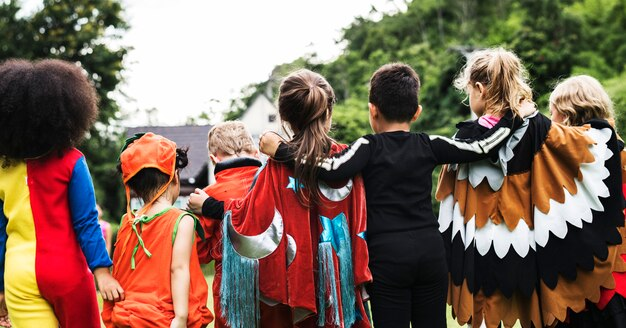
Collaborations with universities and cultural institutions strengthen cultural preservation. Case studies show that communities that combine ritual performances with modern teaching methods increase participation and awareness. These programs ensure that heritage guardians like Ciulioneros continue their vital work of preserving local heritage for future generations.
Conclusion
Ciulioneros are more than performers; they are living symbols of cultural identity and unity. Their dedication to traditional storytelling practices, rituals rooted in nature, and craftsmanship passed through generations safeguards local heritage.
As the modern world evolves, the importance of safeguarding tradition grows stronger. By understanding, participating, and supporting Ciulioneros, communities ensure that cultural resilience in modern society remains vibrant and that the legacy of these heritage guardians continues for generations to come.