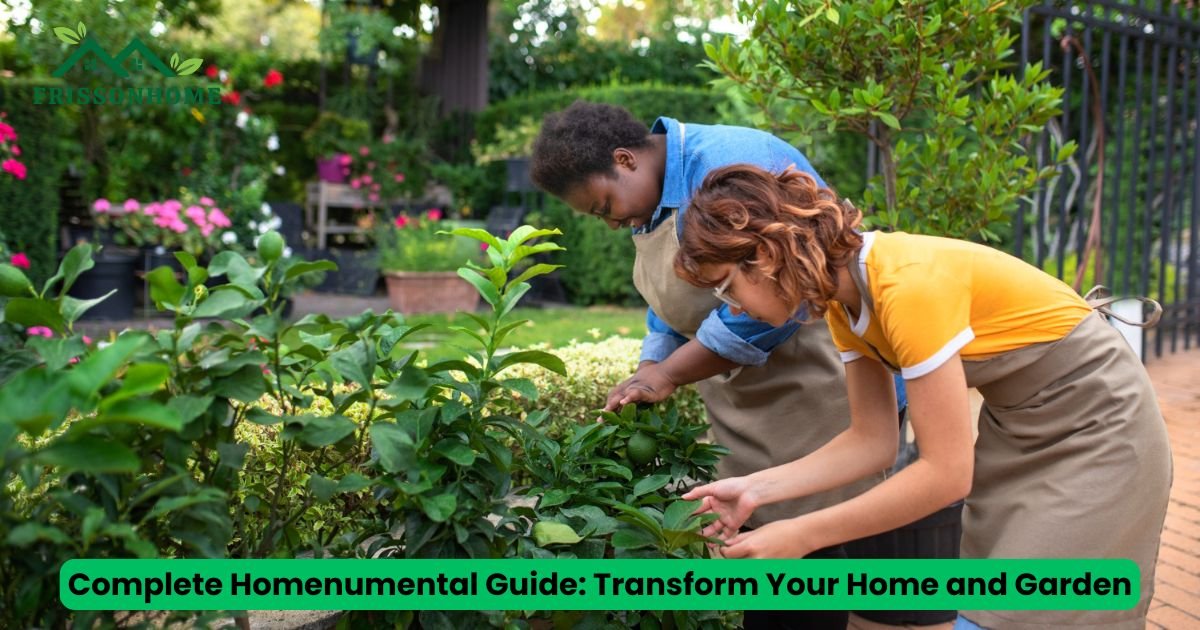
Your dwelling deserves intentional transformation beyond basic upkeep and maintenance. Many American homeowners struggle with fragmented advice scattered across countless sources, leaving them confused about where to start their home improvement journey. This homenumental guide consolidates expert wisdom into actionable strategies that deliver visible results without draining your wallet or overwhelming your schedule.
Whether you’re managing a sprawling suburban property or a compact urban apartment, these proven techniques will revolutionize your living space and outdoor areas through practical living approaches. The philosophy behind effective home care centers on one simple truth: small habits make the biggest difference when applied consistently. You don’t need expensive renovations or professional consultants to create meaningful change in your home management routine.
Understanding Homenumental: Your Foundation for Home and Garden Success
The term “homenumental” represents a monumental philosophy toward home improvements and garden cultivation. This approach emphasizes balance, safety, and comfort as foundational pillars rather than chasing trendy aesthetics or overwhelming yourself with perfectionist standards. USA homeowners increasingly value self-sufficient living space designs that harmonize indoor organization with outdoor productivity. Emotional well-being connects directly to your physical environment’s quality, which explains why cluttered homes often correlate with elevated stress levels. Understanding this relationship helps you prioritize changes that genuinely enhance daily routines instead of creating additional maintenance burdens.
Integrated home-garden strategies yield superior results compared to fragmented approaches. Your indoor household organization systems actually influence outdoor gardening success, while well-designed landscapes impact interior comfort through temperature regulation and natural light optimization. Americans residing in different climate zones require customized solutions—what thrives in humid Southern states fails miserably in arid Western regions. This homenumental guide acknowledges regional variations while maintaining core principles applicable nationwide. Progress over perfection drives sustainable transformation, allowing you to celebrate incremental victories rather than delaying action until conditions seem ideal.
Why the Homenumental Approach Works
Evidence-based research confirms that thoughtful environmental design reduces household stress significantly. Well-organized spaces correlate with improved mental clarity and enhanced productivity across multiple studies. Property values increase measurably when homeowners implement regular seasonal checks and preventative home maintenance protocols. Well-maintained homes last longer and require fewer emergency repairs, saving thousands of dollars over ownership periods. Community impact extends beyond individual properties as neighborhood beautification efforts inspire collective improvement initiatives.
Long-term value accumulates through simple practices repeated consistently. The compound effect of small adjustments shift how a home feels over weeks and months. Financial benefits include reduced utility costs through energy efficiency upgrades and decreased repair expenses from catching problems early. Psychological advantages manifest as peace of mind knowing your environment supports rather than hinders your lifestyle goals. Practical living doesn’t require perfection—it demands attention, not perfection directed toward meaningful priorities.
Setting Realistic Expectations for Your Transformation
Timeline considerations vary dramatically based on project scope and available resources. Minor organizational improvements might produce visible changes within days, while comprehensive landscape redesigns unfold across multiple growing seasons. Balancing ambition with budget-friendly constraints prevents financial strain and maintains momentum. Steady habits support daily life better than sporadic intensive efforts that lead to burnout. Common pitfalls include underestimating time requirements, overextending budgets, and attempting too many simultaneous projects.
Basic knowledge about realistic timelines helps you avoid frustration. Container gardens deliver faster gratification than establishing perennial borders from seed. Fresh paint transforms rooms quickly, but custom carpentry projects demand weeks of focused work. Flexible furniture and storage solutions adapt as needs change across life stages, providing lasting utility beyond initial installation. Celebrating milestones maintains motivation—photograph spaces before starting to appreciate progress that gradual change might otherwise obscure.
Assessing Your Space: Indoor and Outdoor Planning Essentials
Comprehensive spatial inventory forms the critical first step toward effective transformation. Measure every room, photograph current conditions from multiple angles, and document existing infrastructure like plumbing locations and electrical capacity. Identify microclimates in your yard where conditions vary—shaded northern exposures differ dramatically from sun-drenched southern areas. Indoor lighting patterns shift seasonally as sun angles change, affecting which spaces feel more settled during different months. USA regional climate zones, particularly USDA hardiness classifications, determine plant viability and influence home safety considerations like snow load capacities or hurricane preparedness.
Creating priority matrices helps distinguish urgent needs from aspirational improvements. Map traffic flow patterns both inside and outside to identify congestion points requiring attention. Assess seasonal sun exposure throughout the year rather than making decisions based solely on current conditions. Budget allocation across different zones prevents overspending in one area while neglecting critical needs elsewhere. Soil drainage evaluation reveals where water pools after rainstorms, guiding both landscaping decisions and foundation protection strategies. Making items easy to find starts with understanding how you actually use each space daily rather than imposing theoretical organizational systems.
Indoor Space Evaluation Checklist
Room-by-room functionality assessment examines whether current layouts support intended activities effectively. Kitchen work triangles, bedroom privacy requirements, and bathroom accessibility needs vary across households. Storage capacity compared against current belongings reveals whether you need expansion, reduction, or simply better organization. Natural ventilation pathways affect household energy consumption and indoor air quality significantly. Artificial climate control efficiency determines comfort levels and utility costs across seasons.
Home safety hazards requiring immediate attention include loose handrails, inadequate lighting on staircases, electrical outlets near water sources, and blocked emergency exits. Carbon monoxide detector placement, fire extinguisher accessibility, and emergency contact information visibility matter tremendously. Calm spaces support relaxation when noise control, privacy provisions, and sensory considerations receive thoughtful attention. Multi-use rooms serve multiple functions when furniture arrangements adapt easily between purposes. The following table outlines critical evaluation areas:
| Room Type | Functionality Check | Safety Priority | Comfort Factor |
| Kitchen | Work triangle efficiency | Outlet placement | Lighting quality |
| Bedroom | Privacy adequacy | Window locks | Temperature control |
| Bathroom | Ventilation effectiveness | Non-slip surfaces | Storage accessibility |
| Living Areas | Traffic flow patterns | Electrical load capacity | Seating comfort |
| Entryway | Clutter management | Clear pathways | Weather protection |
Outdoor Area Analysis Guide
Soil testing provides essential data about pH levels and nutrient availability that determine plant success. Home testing kits available at USA garden centers cost under twenty dollars and reveal whether amendments are necessary. Drainage patterns become obvious after heavy rainfall—observe where water accumulates and how quickly it disperses. Existing vegetation health inventory identifies struggling plants requiring relocation or replacement versus thriving specimens worth preserving. Privacy concerns, noise barriers, and boundary considerations affect both comfort and legal compliance with property lines.
Sunlight mapping throughout the day reveals optimal placement for vegetables requiring six-plus hours versus shade-tolerant ornamentals. Wind exposure patterns influence plant selection and structure placement like arbors or sheds. Access to water sources determines irrigation convenience and system design feasibility. Reduce waste by working with existing topography rather than expensive regrading projects. Wildlife activity observations—from beneficial pollinators to destructive deer—shape protective strategies and plant choices. Sustainable habits emerge when designs align with natural site conditions instead of fighting them constantly.
Creating Your Master Transformation Blueprint
Sketch rough layouts with accurate measurements before purchasing materials or plants. Digital tools like garden planning apps offer drag-and-drop convenience, while traditional graph paper methods work equally well. Phasing projects across seasons and years prevents overwhelming yourself financially or physically. Flexibility built into long-term plans accommodates changing preferences, unexpected challenges, and new opportunities. Everything has a place within comprehensive blueprints that consider both immediate needs and future evolution.
Professional landscape designers often recommend the 5-10-15 year planning horizon. Immediate improvements address urgent problems and quick wins. Mid-range projects tackle substantial upgrades requiring saved resources. Long-term visions guide incremental decisions toward cohesive outcomes. Personal touches differentiate cookie-cutter solutions from spaces genuinely reflecting your lifestyle and values. Document your blueprint clearly enough that future reference remains understandable—detailed notes today prevent confusion tomorrow when implementation begins.
Garden Basics: Soil Preparation, Plant Selection, and Layout Design
Soil preparation serves as your garden’s foundational ecosystem requiring proper nourishment. Understanding soil composition—whether clay, sand, or loam dominates—determines amendment strategies and plant compatibility. Clay soils retain moisture excessively and compact easily, while sandy substrates drain rapidly and struggle holding nutrients. Loam represents the goldilocks middle ground most plants prefer. Organic matter integration through composting kitchen scraps and yard waste improves any soil type gradually. Testing kits available at USA garden centers nationwide reveal pH levels, nitrogen, phosphorus, and potassium concentrations guiding fertilizer choices.
Choosing plants suited to your specific USDA zone prevents heartbreak from frost-killed investments or heat-stressed failures. Native species require less water and home maintenance efforts since they evolved within local conditions. Balance perennials for longevity with annuals providing seasonal color flexibility. Design principles incorporating height variation create visual interest—layering tall background plants, medium fillers, and low edging plants mimics natural ecosystems. Color coordination matters more than absolute rules—warm oranges and reds energize spaces while cool blues and purples promote tranquility. Bloom succession planning ensures continuous flowers from spring through fall rather than brief spectacular displays followed by barren months.
Soil Amendment Techniques for Different Garden Types
Vegetable gardens demand nutrient-rich, well-draining substrate supporting vigorous growth and heavy fruiting. Adding aged compost at 3-4 inches depth annually replenishes nutrients removed by harvests. Cover cropping during off-seasons protects soil structure and adds organic matter when tilled under. Flower beds benefit from consistent moisture retention balanced with adequate drainage preventing root rot. Incorporating peat moss or coconut coir helps sandy soils hold water while perlite or sand amendments improve clay drainage. Prevent larger repairs to hardscaping by ensuring proper grading directs water away from foundations and patios.
Lawn areas require different fertilization approaches compared to gardens—slow-release formulations prevent excessive growth surges demanding constant mowing. Topdressing thin layers of compost feeds grass while improving soil structure gradually. Container gardens demand specialized potting mixtures since garden soil compacts destructively in confined spaces. Quality potting mixes combine peat, bark, perlite, and nutrients supporting root development without waterlogging. Cleaning without stress applies to garden tools too—removing soil after each use prevents rust and extends lifespan. Proper home care for equipment saves replacement costs and maintains efficiency.
Plant Selection Strategy for USA Climates
Regional considerations dominate successful plant selection across America’s diverse climates. Northeast gardeners face harsh winters requiring hardy perennials surviving subzero temperatures and freeze-thaw cycles. Southern heat demands drought-tolerant varieties withstanding triple-digit summers and high humidity. Midwest storms including tornadoes and hail favor flexible plants recovering from damage better than rigid specimens. Western states present aridity challenges requiring xeriscaping principles and moisture-conserving species. Coastal regions with mild temperatures but salt spray need tolerant selections. Natural light improves mood indoors while full-sun gardens demand 6+ hour exposure.
Researching plant tags provides critical information about mature size, growth rate, and maintenance requirements. Reputable nursery guidance helps match selections to your specific site conditions and experience level. The following table summarizes regional considerations:
| USA Region | Climate Challenge | Recommended Plants | Avoid |
| Northeast | Harsh winters, short seasons | Hosta, Daylily, Coneflower | Citrus, Bougainvillea |
| Southeast | Heat, humidity, hurricanes | Crape Myrtle, Azalea, Palm | Delphinium, Lilac |
| Midwest | Temperature extremes, storms | Black-eyed Susan, Salvia | Exotic tropicals |
| Southwest | Drought, alkaline soil | Agave, Penstemon, Yucca | Water-hungry ferns |
| Pacific Northwest | Cool, wet winters | Rhododendron, Camellia | Desert cacti |
Layout Design That Maximizes Beauty and Function
Companion planting strategies leverage beneficial relationships between species. Tomatoes thrive near basil while repelling pests that dislike aromatic herbs. Marigolds scattered throughout vegetable beds deter numerous insects naturally. Accessibility paths between garden beds prevent soil compaction from foot traffic and enable comfortable harvesting. Focal points create visual interest—specimen trees, decorative containers, or sculptural elements draw eyes and organize spaces cohesively. Scaling designs to available square footage prevents overcrowding that leads to competition, disease, and frustration.
Vertical growing maximizes limited ground space through trellises, arbors, and wall-mounted planters. Vining crops like cucumbers and pole beans produce prolifically upward instead of sprawling horizontally. Sustainable habits include succession planting where quick-maturing crops get replaced immediately maintaining continuous production. Interplanting fast growers like radishes among slower developers like carrots optimizes space efficiently. Practical living extends to garden layouts providing convenient herb access near kitchen doors and attractive flower displays visible from frequently used windows. Comfortable living spaces outdoors incorporate seating areas, shade structures, and sensory elements like fragrant flowers or rustling ornamental grasses.
Essential Garden Care: Watering, Fertilizing, and Seasonal Maintenance
Watering schedules vary dramatically across plant species and seasons, making one-size-fits-all approaches counterproductive. Deep, infrequent watering encourages robust root systems penetrating deeply for drought resilience. Shallow frequent sprinklings create weak surface roots vulnerable to heat stress and instability. Morning irrigation allows foliage drying throughout the day, preventing fungal issues that thrive on overnight moisture. Drip systems and soaker hoses conserve resources by delivering water directly to root zones rather than evaporating from leaf surfaces or running off hard soil.
Fertilization timing aligns with plant growth cycles for maximum effectiveness and minimal waste. Spring feeding energizes new growth as plants emerge from dormancy. Summer applications sustain active growth and flowering. Fall fertilization prepares perennials for winter dormancy while avoiding late nitrogen that encourages tender new growth vulnerable to frost damage. Organic versus synthetic options each offer distinct advantages—organics improve soil structure long-term while synthetics provide immediate nutrient availability. Soil tests reveal specific deficiencies preventing wasteful blanket applications. Avoid over-fertilizing which damages plants through salt accumulation and pollutes waterways via runoff. Reduce waste by applying only what plants actually need based on testing rather than guesswork.
Seasonal Garden Maintenance Calendar
Seasonal checks maintain garden health proactively rather than reactively addressing crises. Spring activities include pruning dead wood, preparing soil with compost, and starting early cool-season crops. Remove winter mulch gradually as temperatures warm preventing premature growth vulnerable to late frosts. Summer demands consistent watering especially for containers and recent transplants. Deadheading spent flowers encourages continued blooming rather than seed production. Pest monitoring catches infestations early when control remains manageable through minimal intervention.
Fall brings harvest celebrations plus critical winterization preparations. Composting spent plants recycles nutrients back into the system. Mulching perennial beds insulates roots from temperature fluctuations. Draining irrigation systems prevents freeze damage in cold climates. Winter focuses on planning next season’s improvements, maintaining tools through cleaning and sharpening, and starting seeds indoors for spring transplanting. Daily routines during growing seasons include brief garden walks observing changes, catching problems early, and enjoying your creation’s evolution. Steady habits support daily life better than sporadic marathon sessions. The following maintenance timeline guides effective scheduling:
Spring (March-May): Prune dormant shrubs, add compost, plant cool-season vegetables, divide overcrowded perennials, apply pre-emergent weed control, clean garden beds, inspect irrigation systems, start warm-season seeds indoors.
Summer (June-August): Water deeply and consistently, deadhead flowers, harvest vegetables frequently, monitor pests, fertilize containers weekly, mulch to conserve moisture, prune spring-blooming shrubs after flowering, enjoy the garden!
Fall (September-November): Harvest remaining crops, compost spent plants, plant spring bulbs, divide summer perennials, rake leaves for compost, winterize irrigation, mulch perennial beds heavily, clean and store tools, order seed catalogs.
Winter (December-February): Plan next year’s garden, sharpen and oil tools, start early seeds indoors, protect sensitive plants from harsh weather, prune fruit trees during dormancy, dream and sketch new designs, rest and recharge.
Water Conservation Techniques
Mulching reduces evaporation by 50-70 percent according to university extension research. Organic mulches like shredded bark, compost, or leaves also improve soil structure as they decompose. Rainwater collection systems provide sustainable irrigation from rooftop runoff. Barrels or cisterns capture hundreds of gallons per storm. Grouping plants by water requirements prevents overwatering drought-tolerant species or underwatering thirsty ones. Smart irrigation controllers adjust schedules automatically based on weather forecasts and soil moisture sensors. Household energy savings emerge indirectly when reduced municipal water pumping lowers grid demands.
Drip irrigation delivers up to 90 percent efficiency versus 50-70 percent for traditional sprinklers. Installing systems costs less than many assume with DIY kits available at home improvement stores. Gray water systems recycle household water from sinks and showers for landscape irrigation where local codes permit. Choosing native and adapted plants naturally reduces irrigation needs since they evolved within regional rainfall patterns. Sustainable habits around water conservation benefit both your utility bills and environmental stewardship. Peace of mind comes from knowing your garden thrives without depleting precious resources.
Fertilizer Application Best Practices
Slow-release formulas provide steady nutrition over months rather than quick bursts risking burn damage or leaching. Coated granules break down gradually releasing nutrients as plants absorb them. Foliar feeding through diluted liquid sprays provides quick nutrient absorption for deficiency correction. Compost tea brewed from finished compost supplies gentle fertilization plus beneficial microorganisms. Reading NPK ratios helps match fertilizers to specific plant needs—lawns want high nitrogen, flowers need phosphorus for blooms, and vegetables require balanced nutrition.
Timing applications appropriately maximizes uptake and minimizes waste. Fertilizing before rainstorms risks runoff pollution. Applying during droughts when plants can’t absorb nutrients wastes money and harms environments. Simple practices like incorporating granular fertilizers into soil surface rather than broadcasting atop grass prevent mower damage and improve contact with root zones. Liquid fertilizers diluted properly according to package directions avoid concentration issues. Basic knowledge about your soil’s current nutrient status through testing prevents both deficiency and toxicity problems. Well-maintained homes last longer—this principle applies equally to gardens receiving appropriate nutrition without excess.
Smart Home Organization and Maintenance for Every Season
Organized homes function smoother and require less frantic cleaning routine efforts. Zoning systems group related items near usage points—storing pots near the stove, towels near showers, and tools near workbenches. Decluttering quarterly prevents accumulation overwhelm that makes cleaning feel impossible. Vertical storage maximizes limited square footage through shelving, pegboards, and wall-mounted organizers. Everything has a place within well-designed systems reducing time spent searching for misplaced items. Making items easy to find enhances daily routines efficiency and reduces frustration.
Seasonal maintenance prevents expensive emergency repairs through proactive attention. HVAC filter changes quarterly improve air quality while maintaining system efficiency. Dirty filters force equipment working harder, consuming more household energy and shortening lifespan. Gutter cleaning before rainy seasons protects foundations from water damage and prevents ice dams in northern climates. Caulking and weatherstripping checks reduce energy loss around windows and doors. Prevent larger repairs by catching small problems during routine inspections before they escalate into major failures. Attention, not perfection keeps homes functioning reliably without obsessive effort.
Room-by-Room Organization Systems
Kitchen organization starts with drawer dividers separating utensils logically and pantry labels identifying contents quickly. Appliance garages hide countertop clutter while maintaining accessibility. Bedroom closet systems with adjustable shelving adapt as wardrobe needs change. Under-bed storage containers utilize wasted space for seasonal clothing or extra linens. Nightstand organization keeps essentials within reach without creating visual chaos. Comfortable living emerges when bedrooms promote restful sleep through calm, organized environments.

Bathroom vanity trays corral daily-use items preventing counter sprawl. Medicine cabinet purging removes expired medications safely and creates space for current necessities. Towel rotation systems ensure even wear and always-fresh options. Living spaces benefit from media cord management hiding tangles of cables behind furniture. Shelving optimization displays cherished items while storing less-attractive necessities. Multi-use rooms serving as home offices, guest rooms, or workout spaces need versatile flexible furniture and storage solutions. Calm spaces support relaxation when organization reduces visual noise and physical obstacles. Personal touches like family photos and meaningful objects personalize organized spaces preventing sterile showroom aesthetics.
Quarterly Home Maintenance Checklist
Home maintenance checklists prevent overlooking critical tasks. Inspect roofs for missing shingles, damaged flashing, or debris accumulation. Small leaks caught early cost hundreds versus thousands for water-damaged structures. Test smoke detectors and carbon monoxide alarms monthly replacing batteries annually. Drain sediment from water heaters extending efficiency and lifespan. Flush accumulated minerals preventing corrosion and heating element failure. Check for plumbing leaks under sinks, around toilets, and near water heaters. Small habits make the biggest difference between minor adjustments and catastrophic failures.
HVAC professional servicing annually maintains warranty coverage and optimal performance. Clean refrigerator coils improve efficiency and prevent premature compressor failure. Inspect weatherstripping around exterior doors replacing worn sections. Test garage door auto-reverse safety features preventing injury or property damage. Home safety depends on functional protective systems and hazard-free environments. Practical living includes maintaining your investment through regular attention rather than deferred neglect. The following quarterly rotation covers annual necessities systematically:
Q1 (January-March): Test smoke/CO detectors, inspect roof from ground, clean range hood filters, check basement/crawlspace for moisture, deep clean one room, organize one closet, review insurance coverage, schedule HVAC tune-up.
Q2 (April-June): Clean gutters and downspouts, inspect exterior caulking, service air conditioning, check deck/patio for damage, power wash siding, trim trees away from house, inspect attic ventilation, drain water heater.
Q3 (July-September): Clean dryer vents, inspect windows and screens, check sprinkler system, seal driveway cracks, clean refrigerator coils, test garage door safety features, organize garage, deep clean carpets.
Q4 (October-December): Winterize outdoor faucets, service heating system, inspect fireplace/chimney, check insulation, clean gutters again, store outdoor furniture, test sump pump, organize holiday decorations efficiently.
Seasonal Deep Cleaning Strategies
Spring deep cleaning traditionally includes window washing inside and out. Natural light penetration improves dramatically with clean glass. Carpet shampooing removes accumulated grime and allergens. Outdoor furniture cleaning prepares pieces for seasonal use. Cleaning without stress happens when tasks spread across weeks rather than overwhelming weekends. Summer focuses on AC unit servicing ensuring efficient cooling during peak demand periods. Deck power washing removes mildew and prepares surfaces for sealing or staining.
Fall brings furnace inspection and chimney sweeping for wood-burning appliances. Carbon monoxide risks increase when heating systems malfunction or flues block with creosote. Winter emphasizes indoor air purification through filter changes and humidity monitoring. Dry winter air damages wood furniture and irritates respiratory systems. Portable humidifiers or whole-house systems maintain comfortable 30-50 percent relative humidity. Balance, safety, and comfort guide deep cleaning priorities beyond surface appearances. Emotional well-being improves when homes feel fresh and properly maintained. Long-term value preservation requires periodic intensive efforts supplementing daily routines.
Safety, Energy Efficiency, and Sustainable Living Practices
Home safety measures protect families while preserving property value. Electrical outlet checks identify loose connections, damaged covers, or overloaded circuits risking fire hazards. Ground fault circuit interrupter (GFCI) outlets near water sources prevent electrocution. Handrail installation reduces fall risks especially for elderly residents or young children. Proper ventilation eliminates dangerous gas buildup from combustion appliances. Peace of mind comes from knowing your environment minimizes preventable risks. Feel more settled when safety systems function reliably.
Energy efficiency upgrades slash utility bills substantially while reducing environmental impact. LED bulbs consume 75 percent less electricity than incandescent equivalents while lasting 25 times longer. Programmable thermostats optimize heating and cooling schedules matching occupancy patterns. Insulation improvements deliver year-round comfort gains—warm winters and cool summers. Attic insulation upgrades offer the highest return on investment for most climates. Household energy waste through air leaks around doors, windows, outlets, and penetrations adds 20-30 percent to bills unnecessarily. Sustainable habits benefit both finances and ecological footprints simultaneously.
Essential Home Safety Upgrades
Smart smoke detectors with mobile alerts notify you of problems even when away from home. Interconnected units throughout the house ensure everyone hears alarms regardless of fire location. Exterior lighting deters intruders effectively while illuminating pathways preventing trips and falls. Motion-activated fixtures combine security with energy efficiency. Non-slip treatments for bathroom floors and stairs reduce fall injuries significantly. Grab bars near toilets and in showers assist mobility-limited individuals safely.
Emergency exit planning identifies two escape routes from every room. Practice drills ensure family members react appropriately during crises. Window escape ladders provide second-story egress when stairs become impassable. Fire extinguisher placement in kitchens, garages, and near furnaces enables quick response to small fires before they spread. Home awareness includes knowing shut-off locations for water, gas, and electricity. Basic knowledge about operating these emergency controls prevents panic during crises. Simple practices like testing alarms monthly and keeping exits clear literally save lives.
Energy-Saving Home Improvements
Window film reduces heat transfer by blocking infrared radiation while allowing visible light passage. Reflective films help southern exposures while insulating films benefit northern windows. Tankless water heaters provide on-demand efficiency eliminating standby losses from storage tanks. These units heat water only when needed reducing energy consumption 24-34 percent for homes using 41 gallons daily or less. Ceiling fans supplement climate control systems through improved air circulation. Counterclockwise summer rotation creates cooling breezes while clockwise winter operation redistributes warm air from ceilings.
Appliance replacement with Energy Star certified models reduces consumption 10-50 percent depending on equipment type. Older refrigerators particularly waste tremendous energy compared to modern efficient designs. Smart power strips eliminate phantom loads from devices drawing electricity even when switched off. Budget-friendly improvements include door sweeps, outlet insulators, and programmable thermostats costing under $100 total. Long-term value accumulates through reduced utility expenses year after year. The following table compares common upgrades:
| Improvement | Typical Cost | Annual Savings | Payback Period | Comfort Benefit |
| LED bulb conversion | $50-150 | $75-100 | 1-2 years | Better light quality |
| Programmable thermostat | $100-250 | $180-200 | 1 year | Consistent temps |
| Attic insulation upgrade | $1,200-2,500 | $300-600 | 3-5 years | Year-round comfort |
| Tankless water heater | $1,000-3,000 | $100-150 | 8-15 years | Endless hot water |
| Energy Star refrigerator | $800-2,000 | $50-100 | 10-15 years | Quieter operation |
Sustainable Living Implementation
Composting kitchen scraps reduces landfill waste while creating valuable soil amendment. Simple bins or tumblers process vegetable peelings, coffee grounds, and eggshells into nutrient-rich humus. Reduce waste by diverting 30 percent of household garbage from trash collection. Reusable alternatives replace single-use plastics—cloth shopping bags, glass food containers, and metal water bottles. Local food sourcing supports community economies while reducing transportation emissions. Farmers markets and community-supported agriculture (CSA) programs connect consumers directly with regional producers.
Water-saving fixtures cut consumption dramatically without sacrificing performance. Low-flow showerheads, faucet aerators, and dual-flush toilets reduce usage 25-60 percent. Sustainable habits compound when multiple small changes combine synergistically. Practical living embraces eco-friendly choices that also save money and improve quality of life. Progress over perfection acknowledges that every positive change matters even if you can’t implement everything simultaneously. Consistent care for environmental stewardship shapes a legacy beyond individual households. Everyday living becomes more meaningful when aligned with values around conservation and responsible resource use.
Pest Management and Problem Prevention for Home and Garden
Integrated pest management combines multiple strategic approaches rather than relying solely on chemical interventions. Prevention beats reactive treatments every single time through sanitation, exclusion, and monitoring. Natural predators control many garden pest populations when you avoid broad-spectrum pesticides killing beneficial insects alongside targets. Physical barriers like row covers protect vulnerable plants from insect damage while allowing light and water penetration. Home care extends to creating environments hostile to pests but welcoming to desirable wildlife.
Indoor pest problems often originate from exterior entry points exploited by insects and rodents. Sealing cracks around foundations, utility penetrations, and door thresholds eliminates invasion routes. Proper food storage in airtight containers denies pests nutrition access. Regular inspections catch infestations before they escalate beyond manageable levels. Small adjustments shift how a home feels from overrun to comfortably protected. Balance, safety, and comfort guide pest management without toxic overuse risking family health. Prevent larger repairs by addressing moisture issues attracting termites, carpenter ants, and wood-destroying fungi.
Garden Pest Identification and Solutions
Common garden pests include aphids, spider mites, caterpillars, beetles, and slugs—each requiring different treatment approaches. Aphids cluster on tender new growth sucking plant juices and transmitting viral diseases. Strong water sprays dislodge them while insecticidal soap provides organic control. Spider mites thrive in hot, dry conditions creating stippled yellowing foliage. Increasing humidity and predatory mite releases manage populations. Caterpillars chew foliage voraciously but hand-picking controls low-level infestations. Bacillus thuringiensis (Bt) spray targets caterpillars specifically without harming beneficials.
Neem oil serves as versatile organic pesticide effective against numerous insects and some fungal diseases. It disrupts pest feeding and reproduction without persisting harmfully in environments. Companion planting naturally repels specific pests—marigolds deter aphids while basil repels thrips and flies. Nasturtiums act as trap crops attracting pests away from valuable vegetables. Hand-picking works for large visible pests like hornworms, beetles, and slugs. Simple practices implemented consistently prevent infestations from reaching crisis levels. Basic knowledge about pest life cycles helps time interventions for maximum effectiveness. For example, treating Japanese beetle grubs in fall prevents next summer’s adult emergence.
Indoor Pest Control Methods
Diatomaceous earth handles crawling insects safely through physical rather than chemical action. Microscopic sharp edges damage insect exoskeletons causing dehydration and death while remaining harmless to mammals. Apply food-grade diatomaceous earth in cracks, crevices, and entry points. Pheromone traps target specific species like clothes moths or pantry pests without affecting non-target insects. Professional treatment for severe termite or rodent issues prevents structural damage worth thousands. Pet-safe options protect beloved animals from toxic exposure during treatments.
Preventative measures outperform reactive extermination. Store firewood away from house foundations. Repair leaking pipes eliminating moisture attracting insects. Clean drains regularly preventing fly breeding. Vacuum frequently removing food particles and insect eggs. Cleaning routine consistency denies pests resources they need for establishment. Home maintenance includes checking screens for tears and repairing damaged weatherstripping. Practical living embraces prevention as easier than remediation. Peace of mind emerges when pest populations remain below nuisance thresholds. Sustainable habits around sanitation and exclusion provide long-term control without continuous chemical dependence.
Disease Prevention in Plants
Proper spacing ensures adequate air circulation preventing fungal diseases thriving in stagnant humid conditions. Crowded plants create microclimates perfect for powdery mildew, black spot, and botrytis. Watering at soil level rather than overhead prevents fungal spread through splashing spores. Drip irrigation or soaker hoses deliver moisture without wetting foliage. Removing infected plant material immediately stops contamination spreading to healthy specimens. Dispose of diseased plants in trash rather than compost where pathogens might survive.
Resistant varieties reduce disease susceptibility through genetic advantages. Tomato cultivars labeled VFN resist verticillium wilt, fusarium wilt, and nematodes. Rose varieties bred for disease resistance require fewer chemical treatments. Crop rotation prevents soil-borne pathogen accumulation targeting specific plant families. Avoid planting tomatoes, peppers, or eggplants in the same location annually—three-year rotations minimize disease pressure. Sustainable habits include promoting beneficial soil microorganisms through compost application and avoiding synthetic fertilizers disrupting biological communities. Well-maintained homes last longer—gardens thrive similarly when disease prevention receives proactive attention. Attention, not perfection keeps plants healthy through consistent observation and prompt intervention when problems appear.
Budget-Friendly Improvements for Maximum Impact
Strategic upgrades deliver disproportionate value returns compared to investment costs. Fresh paint transforms spaces inexpensively—a gallon covering 350-400 square feet costs $30-50. Neutral colors appeal broadly if reselling while bold choices reflect personal style. Hardware updates modernize kitchens and bathrooms affordably. Replacing cabinet knobs, drawer pulls, and faucets costs $100-300 yet dramatically alters appearance. DIY projects save labor costs significantly since professionals typically charge 50-70 percent above material expenses. Budget-friendly transformations prioritize visible improvements enhancing daily routines and comfortable living.
Prioritizing improvements visible to daily life first maximizes satisfaction per dollar spent. Kitchen backsplash installation creates visual interest where you see it constantly. Bedroom closet organization improves morning routines. Financing options spread costs across manageable payments for necessary but expensive repairs. Seasonal sales on materials reduce project expenses—paint discounts happen regularly while lumber prices fluctuate. Sweat equity replaces professional labor when possible but recognizes limitations around specialized skills like electrical or plumbing work. Long-term value accumulates through both monetary returns and enhanced livability. Practical living balances DIY enthusiasm with realistic capability assessment.
High-Impact, Low-Cost Home Updates
Cabinet painting rejuvenates dated kitchens for $200-400 in materials versus $5,000-15,000 for replacement. Thorough cleaning, proper priming, and quality paint application deliver professional-looking results. Fixture replacement updates lighting and plumbing significantly. Modern faucets, showerheads, and light fixtures cost $50-200 each installed. Landscaping curb appeal attracts admiration while increasing property values 5-15 percent according to real estate studies. Mulched beds, trimmed shrubs, and colorful annuals create welcoming first impressions. Organizing closets maximizes existing storage without construction costs—shelving kits and hanging organizers run $100-300 per closet.
Window treatments control light, privacy, and temperature affordably. Thermal curtains reduce heat loss in winter and gain in summer. Area rugs define spaces and add warmth without permanent flooring replacement. Personal touches like artwork, plants, and decorative accessories personalize spaces inexpensively. Rearranging furniture optimizes flow and function freely. Simple practices like decluttering and deep cleaning cost only time and effort yet dramatically improve environments. Making items easy to find through organization enhances everyday living quality measurably. Small adjustments shift how a home feels from chaotic to calm without major expenditures.
Garden Projects Under $100
Seed starting from packets costs pennies per plant versus $3-8 at nurseries. A $20 seed investment produces hundreds of vegetables or flowers. Basic grow lights and trays cost $30-50 enabling indoor starts. Mulch installation suppresses weeds economically—bulk mulch costs $25-40 per cubic yard covering significant areas. DIY raised beds from reclaimed materials like pallets or salvaged lumber cost minimal amounts. Four-by-eight-foot beds built from standard lumber run $40-70. Perennial division multiplies plants freely—hostas, daylilies, and ornamental grasses expand easily through splitting established clumps.
Compost bins made from pallets or wire fencing cost under $20 yet process endless organic matter into valuable soil amendment. Rain barrels fashioned from food-grade drums cost $30-80 collecting hundreds of gallons annually. Tool care extends lifespan indefinitely—sharpening, oiling, and proper storage costs nothing. Budget-friendly gardening emphasizes creativity over consumerism. Sustainable habits include seed saving, plant swapping with neighbors, and utilizing free municipal compost. Reduce waste by repurposing household items as plant containers—yogurt cups, coffee cans, and nursery pots serve repeatedly. Progress over perfection celebrates thriving gardens achieved affordably rather than expensive showcase landscapes.
Where to Invest Versus Where to Save
Quality tools justify higher initial investment through superior performance and durability. Well-made pruners, spades, and hoses last decades versus cheap versions failing after seasons. Generic cleaning supplies perform identically to name brands—skip premium pricing for commodity products. Professional electrical work ensures home safety and code compliance. Amateur wiring risks fires, electrocution, and insurance claim denials. Plumbing basics like replacing faucets suit DIY approaches while complex repiping requires expertise. Basic knowledge helps discern appropriate DIY projects from those needing professionals.
YouTube tutorials teach countless skills freely—millions of instructional videos cover virtually every home improvement imaginable. Library resources provide books and magazines at no cost. Home improvement store workshops offer free classes on topics like tiling, painting, and basic carpentry. Household organization benefits from free apps and online planning tools. Life stages influence investment priorities—young families emphasize safety and functionality while empty nesters focus on comfort and aesthetics. Consistent care through regular maintenance prevents expensive emergency repairs. Attention, not perfection guides spending toward meaningful improvements over superficial cosmetic changes. Long-term value thinking weighs lifetime costs versus initial prices—efficient appliances cost more upfront but save substantially over years.
Special Gardening Techniques: Vegetables, Containers, and Small Spaces
Vegetable gardening provides fresh produce and substantial grocery savings. Tomatoes, peppers, and cucumbers cost $2-4 per pound at stores but produce prolifically from $3 seedlings. Succession planting extends harvest windows continuously—sowing lettuce every two weeks maintains constant supply rather than overwhelming gluts. Crop rotation prevents soil depletion and disease buildup by moving plant families annually. Vertical growing maximizes limited ground space through trellises supporting vining crops. A six-foot trellis occupies two square feet while providing 12-20 square feet of growing surface. Practical living includes supplementing purchased groceries with homegrown freshness.
Container gardens thrive on patios, balconies, even windowsills expanding opportunities beyond traditional yards. Proper drainage prevents root rot problems—containers need holes allowing excess water escape. Quality potting mix ensures adequate nutrition since containers can’t access ground soil. Mobility allows sun-following throughout seasons—moving pots to optimal light conditions. Flexible furniture and storage principles apply to moveable garden containers adapting as needs change. Multi-use rooms outdoors might serve dining areas doubled as garden spaces. Comfortable living extends beyond interior walls when outdoor areas receive thoughtful development.
Vegetable Garden Planning for Year-Round Harvests
Cool-season crops like lettuce, peas, and broccoli tolerate frost and even improve flavor after light freezes. Plant these vegetables in early spring or late summer for fall harvests. Warm-season favorites including tomatoes, peppers, and cucumbers require temperatures above 50°F consistently. Plant after last spring frost dates varying by region—USDA zone maps provide guidance. Fall planting for spring harvest works with garlic, onions, and some perennials. Greenhouse or cold frame extensions protect plants from harsh weather enabling year-round production even in northern climates.
Intensive spacing maximizes yields from limited areas through closer planting than traditional row methods. Square foot gardening divides beds into one-foot grids planting specific quantities per square based on mature size. Interplanting fast-maturing crops among slow growers optimizes space—radishes harvested before tomatoes need full area. Sustainable habits include saving seeds from best-performing plants for next season. Heirloom varieties maintain genetic diversity and adapt to specific site conditions over generations. Everyday living improves when fresh vegetables supplement meals regularly. Balance, safety, and comfort extend to nutrition when homegrown produce increases dietary quality. Small habits make the biggest difference—even one tomato plant contributes meaningfully.
Container Gardening Mastery
Size containers appropriately for root systems—tomatoes need five-gallon minimum while lettuce thrives in shallow wide pots. Drainage holes prevent waterlogged soil killing roots through oxygen deprivation. Drill holes if containers lack them originally. Fertilize more frequently than ground gardens since nutrients leach through drainage and limited soil volume depletes quickly. Weekly diluted liquid fertilizer maintains vigorous growth. Group containers for microclimate creation—evaporation from multiple pots increases local humidity benefiting plants.
Self-watering containers reduce frequency through reservoir systems providing moisture as needed. These designs particularly suit vacation periods or forgetful waterers. Lightweight potting mix alternatives like coconut coir reduce container weight for balcony gardens with load limits. Ornamental edibles combine beauty with productivity—rainbow chard, purple basil, and colorful peppers please eyes while feeding bodies. Personal touches might include decorative containers reflecting style preferences beyond utilitarian plastic pots. Calm spaces support relaxation when container gardens create peaceful green environments on urban balconies. Small adjustments shift how a home feels adding living elements to concrete surroundings.
Small-Space Gardening Solutions
Wall-mounted planters utilize vertical surfaces unavailable to traditional gardens. Pocket planters, railing boxes, and mounted pots expand growing area without consuming floor space. Tiered stands multiply planting area through stacked levels—three tiers provide triple capacity within single footprint. Dwarf varieties suit compact environments—miniature tomatoes, compact squash, and bush beans produce full-size crops from smaller plants. Espalier fruit trees trained flat against fences or walls fit narrow spaces impossible for standard forms.
Hanging baskets suspend plants overhead utilizing air space effectively. Strawberries, trailing herbs, and cascading flowers thrive suspended. Window boxes bring gardens directly to living spaces—herbs just outside kitchen windows provide convenient harvesting. Multi-use rooms might incorporate vertical gardens as living walls or room dividers. Household organization principles apply to garden tool storage—wall-mounted racks and compact organizers keep small-space gardens manageable. Making items easy to find includes labeled seed packets and maintenance supply containers. Sustainable habits maximize production from minimal space through intensive methods and careful planning.
Urban Gardening Challenges and Solutions
Limited sunlight challenges urban settings where tall buildings create shade. Shade-tolerant selections like lettuce, spinach, and herbs produce despite reduced light. Pollution exposure from traffic demands protective measures—washing produce thoroughly and choosing varieties with waxy protective coatings. Community gardens offer shared space opportunities when private yards don’t exist. These collaborative environments provide plots, tools, and expertise while building neighborhood connections. Balcony weight limits necessitate lightweight containers and careful placement—consult building management about maximum loads.
Noise barriers through dense plantings create calm spaces support relaxation despite urban cacophony. Evergreen shrubs and climbing vines absorb sound while providing privacy. Container mobility allows seasonal rearrangement optimizing conditions as sun angles change. Home awareness includes understanding microclimates—southern exposures receive maximum sun while northern sides suit shade plants. Basic knowledge about urban-specific challenges prevents frustration. Practical living adapts expectations to realistic possibilities rather than comparing urban gardens to suburban spreads. Progress over perfection celebrates any garden achievement within constraints. Feel more settled when green spaces connect you to natural cycles despite urban surroundings. Everyday living enriches through gardening regardless of scale or location.
Conclusion
Your homenumental guide journey starts with single intentional action today. Transformation unfolds gradually through consistent effort applied systematically rather than sporadic bursts. Balance, safety, and comfort guide priorities preventing perfectionist paralysis. Every improvement contributes to enhanced living quality whether dramatic renovation or simple organizational adjustment. Small habits make the biggest difference over time through compound effects. Progress over perfection liberates you from unrealistic standards while maintaining forward momentum.