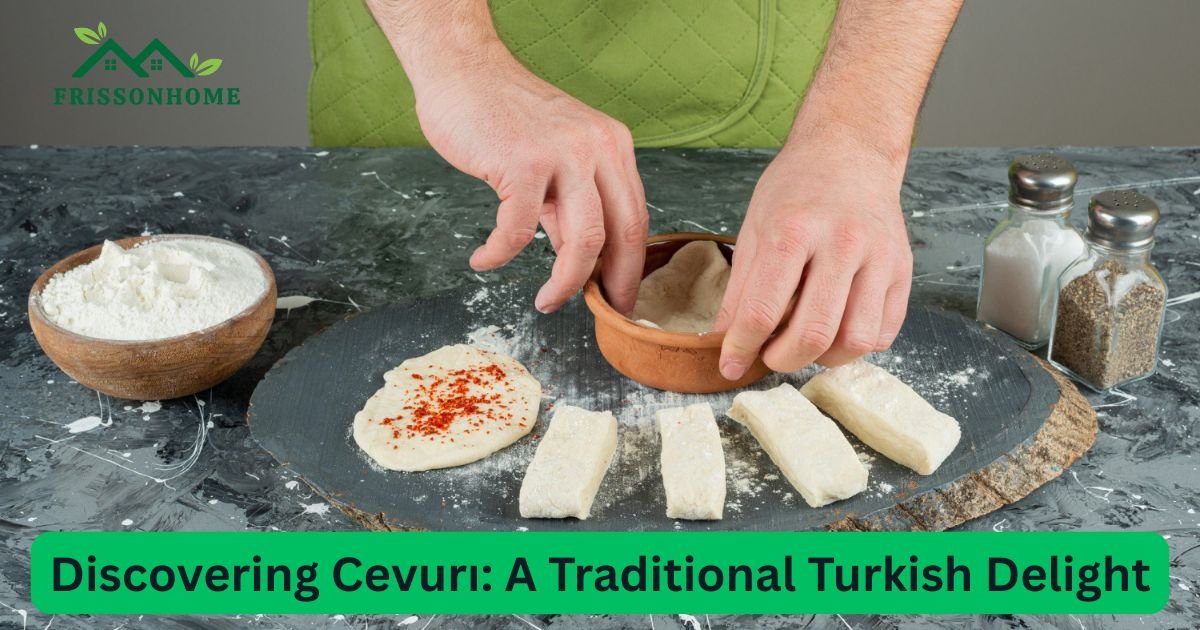
Cevurı is a beloved traditional dish that captures the essence of Turkish cuisine. With its rich culinary history, Cevurı has been enjoyed for centuries, evolving from humble beginnings to a staple at communal gatherings and festive occasions. Known for its tender meat and aromatic spice blend, including cumin, paprika, and black pepper, Cevurı has become a symbol of unity and cultural heritage.
Its versatility allows for various adaptations, from traditional meat versions to vegan or vegetarian Cevurı. Whether enjoyed at home or in a restaurant, this dish offers a delicious way to connect with the flavors and stories of Turkey, offering a nutrient-rich meal with a deep cultural significance.
The Origins and Cultural Significance of Cevurı
The origins of Cevurı go back to the nomadic tribes of Turkey, who first made the dish out of necessity. These tribes needed food that could be quickly prepared and easily transported. Over time, Cevurı evolved into a dish that was shared among communities, especially during cultural gatherings and festivals.
The cultural significance of Cevurı lies in its connection to family and tradition. It is often made for large gatherings, symbolizing unity. It reflects the hospitality and warm culture of Turkish people, bringing people together to celebrate their heritage.
Exploring the Traditional Ingredients of Cevurı
Cevurı relies on a few key ingredients that create its distinctive flavor. The main component is meat, typically lamb, beef, or chicken, depending on regional preferences. The meat is slow-cooked to ensure it is tender and full of flavor. A mix of spices, including cumin, paprika, and black pepper, are used to enhance the savory taste.
In addition to meat, vegetables like onions, tomatoes, and fresh herbs like parsley or cilantro are added. These vegetables provide freshness and balance the richness of the meat. The careful combination of these traditional ingredients is what makes Cevurı so unique and loved by many.
How Cevurı Has Evolved: Modern Variations and Regional Adaptations
As time has passed, Cevurı has adapted to modern tastes while staying true to its roots. Regional variations have emerged, with different areas of Turkey adding their unique twist. For example, in some regions, Cevurı might feature a mix of spices that differ slightly from the traditional blend.
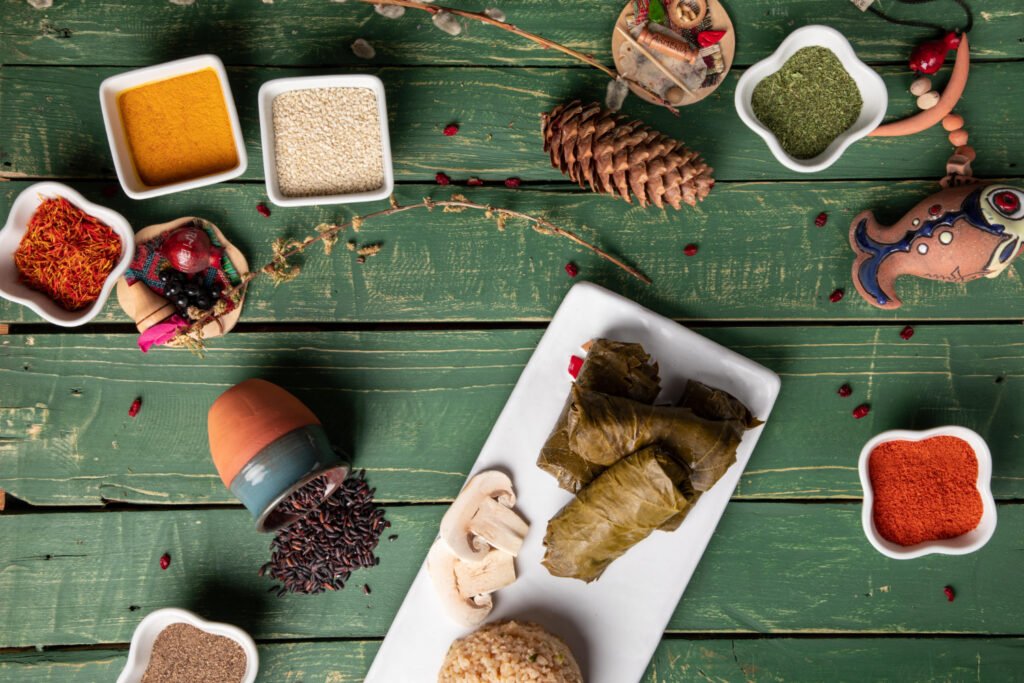
Today, modern variations of Cevurı often include healthier options. Some chefs now make vegan or vegetarian Cevurı, using hearty vegetables and legumes instead of meat. These fusion recipes keep the traditional flavors but offer a plant-based alternative for those who prefer it.
The Health Benefits of Cevurı: A Nutritious Delight
Cevurı is not just delicious but also offers various health benefits. The dish is packed with fiber-rich foods, such as vegetables and legumes, which aid in digestion and promote gut health. The spices used in Cevurı, like cumin and paprika, have anti-inflammatory properties that support the immune system.
Additionally, the meat variations in Cevurı, whether lamb, beef, or chicken, provide essential proteins and healthy fats. These elements help to make the dish a nutrient-rich meal, keeping you satisfied and nourished.
How to Make Authentic Cevurı at Home: Step-by-Step Guide
Making authentic Cevurı at home is an enjoyable process. Start by gathering your ingredients: fresh dough, minced meat, onions, tomatoes, and spices. Roll out the dough into thin circles, ensuring they are even for cooking. The filling consists of seasoned ground meat, onions, and herbs.
Once the filling is prepared, place it onto the dough and fold it into a semi-circle. Seal the edges tightly, ensuring the filling does not spill out during cooking. Heat some oil in a pan and gently fry the Cevurı until golden brown on both sides. Serve with a side of yogurt or spicy sauce for the perfect homemade experience.
Cevurı in Contemporary Turkish Cuisine
In modern Turkish cuisine, Cevurı has remained a staple, but it has also evolved into a dish enjoyed in upscale restaurants. While it is still commonly found as street food in Turkey, gourmet chefs now offer Cevurı with new presentations, combining it with fresh, seasonal ingredients. These gourmet presentations bring Cevurı into the fine-dining world, while still preserving its traditional roots.
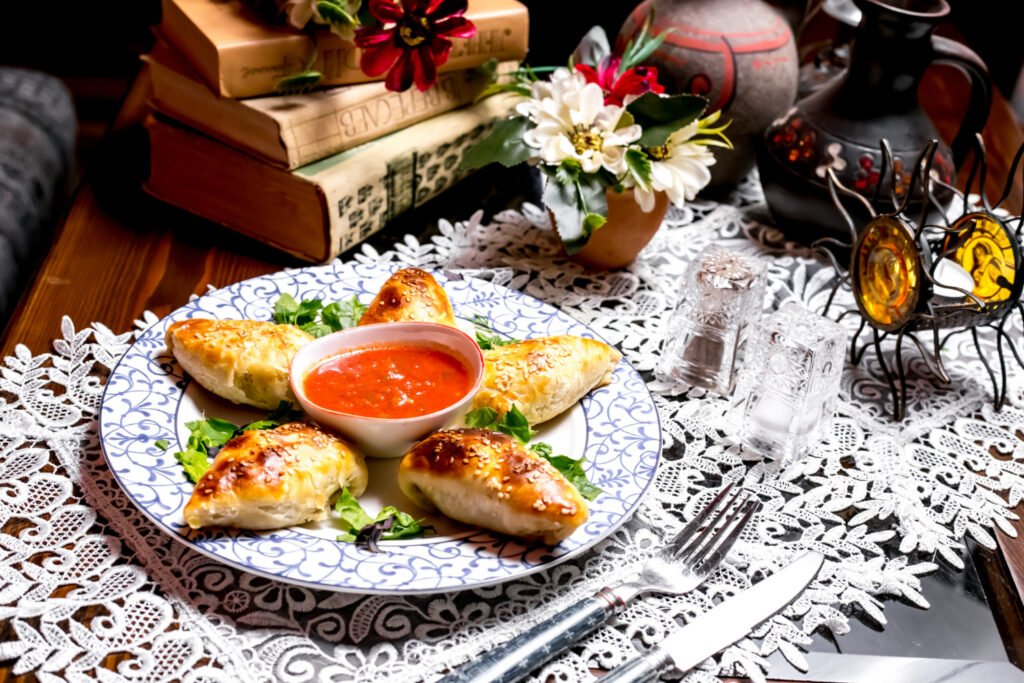
It is also a common feature in Turkish celebrations. Whether it’s a family meal, a holiday feast, or a wedding celebration, Cevurı remains at the center of the table. Its cultural importance has not faded, and it continues to bring people together to share food and stories.
Best Pairings and Complements for Cevurı
The best way to enjoy Cevurı is with traditional pairings. It goes wonderfully with yogurt, which adds a creamy and tangy contrast to the rich, savory flavors of the dish. A simple fresh salad with lemon dressing is also a great side to balance out the richness.
Another popular complement is pilaf or rice, which can absorb the juices from the Cevurı. Turkish bread is also often served alongside, perfect for dipping in the flavorful sauce. These pairings not only enhance the taste but also contribute to making Cevurı a satisfying meal.
Discovering the Best Places to Enjoy Cevurı Around the World
If you’re looking to try Cevurı at its finest, Turkey is the place to go. Istanbul’s bustling markets are famous for their street vendors selling this iconic dish. You can also find Cevurı in the more rural areas of Turkey, where recipes have been passed down through generations.
Internationally, there are many Turkish restaurants that serve Cevurı. Cities like New York, London, and Berlin feature restaurants that stay true to the authentic recipe while adding their flair. Seeking out these hidden gems will lead you to some of the best Cevurı experiences outside of Turkey.
Exploring Plant-Based Alternatives and Reimagined Versions of Cevurı
For those who follow a plant-based diet, vegan or vegetarian Cevurı is an excellent alternative. Instead of meat, hearty vegetables, legumes, and even tofu can be used to create a similar texture and taste. The spices in the dish, like cumin and paprika, still shine through, providing a bold flavor profile.
These reimagined versions of Cevurı have gained popularity as people seek out healthier and more sustainable dining options. Many chefs are also experimenting with these alternatives, adding international flavors to make the dish more accessible to a global audience.
Celebrating Cevurı: Traditions, Festivities, and Global Influence
Cevurı is more than just a dish; it is a celebration of Turkish food heritage. Throughout Turkey, it is a key part of festive occasions, such as weddings and holidays. The communal aspect of preparing and sharing Cevurı is a testament to its cultural value.
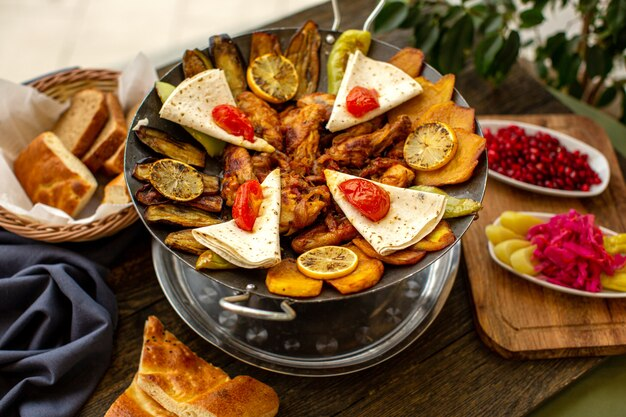
The dish’s global influence is growing, as people from different cultures discover its rich flavor and versatility. Cevurı has become a beloved dish not only in Turkey but in many parts of the world, from the Middle East to Europe and beyond. As more people embrace Turkish food, Cevurı continues to evolve and inspire new generations of cooks.
Conclusion
Discovering Cevurı offers a window into the rich culinary traditions of Turkey. From its cultural significance to its evolution and health benefits, Cevurı remains a timeless dish. Whether you’re trying it at home with an authentic recipe or enjoying it at a local Turkish restaurant, Cevurı will always offer a taste of Turkey’s rich culinary heritage.