Introduction to Doujin Moe
Doujin Moe has become a significant force within the manga fandom and anime fandom, captivating the hearts of fans worldwide. This term combines Doujinshi culture, where passionate fans create self-published works, with the emotional connection fans feel toward moe characters—those who evoke a sense of protective attachment and affection.
Over the years, Doujin Moe has grown from a niche hobby into a global trend, thanks to the rise of social media platforms and online fan communities. Whether through fan art, fan fiction, or manga conventions, Doujin Moe has shaped both the creative output of fans and their sense of fandom identity, fostering a unique, emotionally resonant form of artistic expression.
What is Doujin Moe? Understanding the Core Concept
Doujin Moe is a combination of two key ideas: Doujinshi culture and the moe phenomenon. Doujinshi refers to self-published works, often created by passionate fans who want to share their vision of the characters or stories they love. These works can range from fan art to fan fiction and even original manga. Meanwhile, moe refers to the intense emotional attachment or affection fans feel towards fictional characters, especially those who evoke feelings of innocence or protectiveness. Doujin Moe is the intersection of these two worlds, where fan-created content connects emotionally with its audience.
The psychology of fandom is a big part of why Doujin Moe is so popular. Fans don’t just enjoy the works—they form a protective attachment to characters and stories that resonate with them on a deep emotional level. This connection is not just about liking something; it’s about feeling an emotional bond, which is often enhanced by nostalgia in fandom. Over time, the Doujin Moe community has grown into a place where creators and fans come together, creating and sharing works that strengthen their identities within the fandom culture.
A Brief History of Doujin Moe and Its Evolution
To understand Doujin Moe, we must first look at its roots in Doujinshi culture. The movement began in Japan in the 1970s, when fans started creating and distributing fan-created content at conventions. Doujinshi—or fan comics—became a way for fans to express their creativity and passion for popular anime, manga, and video games. It was a form of self-publishing that allowed fans to take control of their favorite stories and characters.
In the 1980s and 1990s, the moe phenomenon began to take shape in anime fandom. As anime evolved, so did the characters—becoming more cute, vulnerable, and emotionally engaging. Fans began to feel a deeper attachment to these characters, leading to the rise of moe characters. Eventually, the fusion of Doujinshi and moe gave birth to Doujin Moe as we know it today. This growing trend spread beyond Japan, thanks to the rise of the internet and global influence of Doujin Moe on fan communities worldwide.
The Cultural Roots and Origins of Doujin Moe
The cultural roots of Doujin Moe lie deep within Japanese fandom culture. Early Doujinshi culture was driven by a desire for creative freedom, as fans sought to express themselves by creating works that explored their love for certain series or characters. Doujin Moe takes this a step further by intertwining the emotional appeal of moe with fan creations, amplifying the connection between fans and their favorite media.
The impact of Doujin Moe has also spread globally. While Doujinshi culture began in Japan, the cultural significance of Doujin Moe is now recognized across different cultures, thanks to cross-cultural fandom. Whether it’s in the United States, Europe, or Asia, fans worldwide have embraced Doujin Moe and its emotional resonance. This global spread of fandom culture has only strengthened the sense of community and belonging that Doujin Moe fosters among fans.
The Emotional and Psychological Appeal of Doujin Moe
The emotional and psychological appeal of Doujin Moe is one of the main reasons for its success. Fans don’t just appreciate the art or stories—they connect with the characters on a deep emotional level. Moe characters are designed to evoke a strong sense of protective attachment and affection, often making fans feel like they must care for or protect these characters.
This emotional attachment forms the backbone of Doujin Moe. It’s not just about liking a character or enjoying a story; it’s about forming an emotional bond with something that feels real, even if it’s fictional. Fans often express their feelings through fan art or fan fiction, sharing their emotional connection with others in the community. This connection strengthens their identity within the fandom culture, creating a shared experience that transcends borders and languages.
The Role of Doujin Moe in Manga and Fandom Culture
Doujin Moe plays a crucial role in shaping manga fandom and anime fandom cultures. It provides a platform for fans to explore their creativity, offering a way to contribute to the stories and characters they love. Through fan-driven content creation, fans take control of the narrative, often creating alternative storylines or expanding on existing characters. This level of engagement helps fans feel like active participants in the culture, rather than just passive consumers.
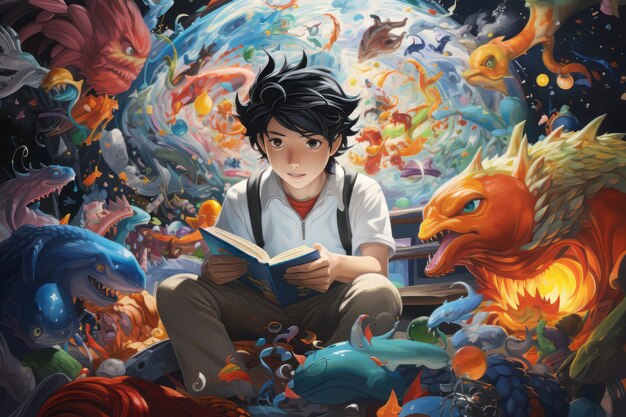
Furthermore, Doujin Moe has influenced how fan communities engage with manga conventions and online spaces. At conventions, fans gather to celebrate their shared love for Doujin Moe creations, exchanging ideas, artwork, and stories. Online, social media platforms like Twitter and Tumblr help spread Doujin Moe across the globe, allowing fans to interact, share their creations, and discover new works. This engagement strengthens the connection between fans and the media they adore.
How Doujin Moe Has Influenced Global Art, Literature, and Media
Doujin Moe has had a profound impact on various artistic fields. Fan artists, inspired by the emotional depth of moe characters, have created stunning illustrations and comics that often explore alternative universes or delve deeper into the emotional lives of characters. These works not only enhance the experience for existing fans but also attract new audiences to the world of Doujin Moe.
In the realm of fan fiction, writers create rich, emotionally resonant stories that expand the universe of their favorite characters. These stories often explore complex emotional themes, such as love, loss, and identity, through the lens of the emotional attachment fans feel. The artistic impact of Doujin Moe can also be seen in how it has influenced mainstream media. Creators and producers have begun to recognize the power of Doujin Moe in connecting with audiences on an emotional level, leading to collaborations and adaptations.
Doujin Moe Artists: The Creators Behind the Trend
At the heart of Doujin Moe are the Doujin artists who bring these emotional and artistic creations to life. These artists are often fans themselves, creating works that reflect their passion for the series or characters they love. Many of them start by sharing their works with the community before gaining recognition and transitioning into professional careers. Their work is a testament to the power of fan-driven content creation and how it can influence both the fandom identity and the wider cultural landscape.
Some Doujin artists have even gone on to influence mainstream anime and manga, with their works being picked up for publication or adaptation. The emotional resonance and artistic freedom that Doujin Moe offers has created a unique space where fans can both express themselves and contribute to the growth of the medium.
Challenges and Controversies in the Doujin Moe Community
While Doujin Moe has flourished, it has not been without its challenges. One of the most significant issues is the legal concerns surrounding fan-created content. Many Doujin Moe works are inspired by existing anime or manga, which raises questions about copyright and intellectual property. As a result, artists and fans must navigate the fine line between creative expression and respecting the rights of original creators.
There are also controversies surrounding the content of some Doujin Moe works. Some fans have criticized certain creations for their sexualized portrayals of characters, which can lead to discussions about fandom misconceptions and cultural differences. However, these debates are part of the ongoing evolution of Doujin Moe culture, as the community continues to grapple with these issues while maintaining a focus on emotional expression.
Conclusion
Doujin Moe has become an integral part of anime fandom and manga fandom culture. Its combination of fan-driven content and deep emotional attachment to characters has created a unique space for fans to engage with the media they love in an authentic and creative way. As Doujin Moe continues to grow, it will undoubtedly shape the future of fandom culture, inspiring new generations of fans and creators alike. Through its global influence, Doujin Moe has proven that the power of fan creativity can bridge cultures, bringing fans together through shared emotional experiences. The future of Doujin Moe is bright, and its impact will likely continue to resonate for years to come.