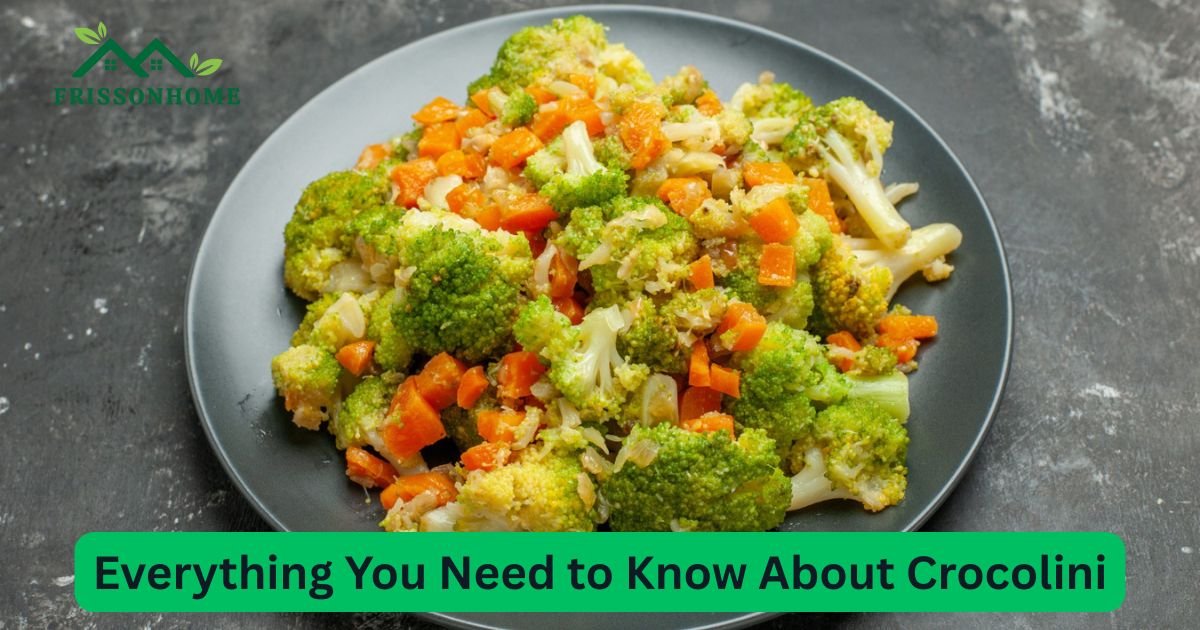
Crocolini is a vibrant and nutrient-dense food that’s quickly gaining popularity among health-conscious eaters. This low-calorie vegetable is a cross between broccoli and Chinese broccoli, combining the best qualities of both. With its mild, slightly sweet flavor and tender texture, crocolini is a perfect choice for various cooking methods, including grilling, sautéing, and steaming.
Not only does it add a unique touch to any dish, but it also brings numerous health benefits, such as supporting immune function and promoting healthy bones. Whether you’re looking for a delicious side dish or a main ingredient in your meals, crocolini is a versatile and nutritious option that will enhance your diet.
What Is Crocolini?
Crocolini is a broccoli alternative that is a hybrid between broccoli and Chinese broccoli. It’s a vegetable that has become more popular in Mediterranean and Asian dishes due to its unique combination of flavors and textures. Unlike regular broccoli, crocolini has long, tender stems and small florets, making it perfect for quick cooking. This vegetable offers a sweetness and tenderness that is hard to resist, especially when prepared correctly.
It’s a low-calorie vegetable that packs a punch in terms of nutrition. Its mild, slightly sweet flavor makes it easy to incorporate into various meals. Whether you’re making a Mediterranean cuisine dish or adding it to an Italian dish, crocolini can be a delightful ingredient in any recipe.
Nutritional Value and Health Benefits of Crocolini
The nutritional profile of crocolini is impressive, providing many essential nutrients. It is a high in fiber vegetable that aids digestion and supports gut health. A serving of crocolini delivers vitamin C, which plays a vital role in boosting the immune system and protecting against illnesses. It also contains vitamin A, which supports vision and skin health, and vitamin K, which is important for bone strength.
In addition to these essential vitamins, crocolini is rich in potassium, which helps control blood pressure. Its high fiber content helps with digestion and keeps you feeling full, making it an excellent choice for healthy weight management. Furthermore, glucosinolates, the antioxidants found in crocolini, are believed to have anti-inflammatory properties, promoting overall health and disease prevention.
How to Cook and Enjoy Crocolini
Crocolini is incredibly versatile when it comes to cooking. You can enjoy it in many ways, such as grilling, sautéing, roasting, or even steaming. One of the most popular methods is sautéing, where you cook crocolini in a hot pan with olive oil and seasonings for a quick, tasty dish. Roasting crocolini at a high temperature brings out its natural sweetness, making it an excellent side dish.

Grilling crocolini adds a smoky flavor, making it a perfect addition to any barbecue or grilled dish. If you prefer a healthier method, steaming crocolini is an option that retains most of its nutrients and gives it a bright, vibrant green color. You can also add crocolini to stir-fries, especially in Asian dishes, where it complements other ingredients like soy sauce and sesame oil.
Crocolini vs. Broccoli: Key Differences
Although crocolini and broccoli are part of the same family, they have some notable differences. Crocolini has a longer stem and smaller florets, which makes it easier to prepare and cook. Unlike broccoli, which can sometimes have a bitter taste, crocolini offers a much milder, sweeter flavor. This makes it an excellent option for people who are not fans of the bitterness found in some cruciferous vegetables.
In terms of cooking, crocolini cooks much faster than broccoli, making it a more convenient option for busy cooks. Crocolini also has less waste to trim, making it a more sustainable vegetable option. Whether you’re roasting, grilling, or sautéing, crocolini is a much more manageable vegetable in terms of preparation and cooking time.
The Fascinating Discovery and History of Crocolini
Crocolini is a relatively new vegetable that was developed by crossing broccoli with Chinese broccoli. It was first introduced in Europe and quickly gained popularity in countries that valued its fast cooking time and sweet, tender flavor. Over time, crocolini became a favorite in Mediterranean cuisine and beyond, as its versatility in various dishes became well-known.
The vegetable was created with the goal of providing a nutrient-dense food that could be easily incorporated into everyday meals. Its success in both flavor and nutritional value has made it a favorite among chefs and home cooks alike. Today, crocolini is grown in many temperate regions around the world, making it widely available for those who want to enjoy its health benefits.
Understanding Crocolini’s Physical Characteristics
Crocolini has a unique appearance that sets it apart from broccoli. It features long, tender stems with small, delicate florets. The vegetable is bright green and has a smooth, vibrant texture that makes it stand out in dishes. The tenderness of the stems is one of its most appealing features, as it eliminates the need for extensive trimming, unlike traditional broccoli.
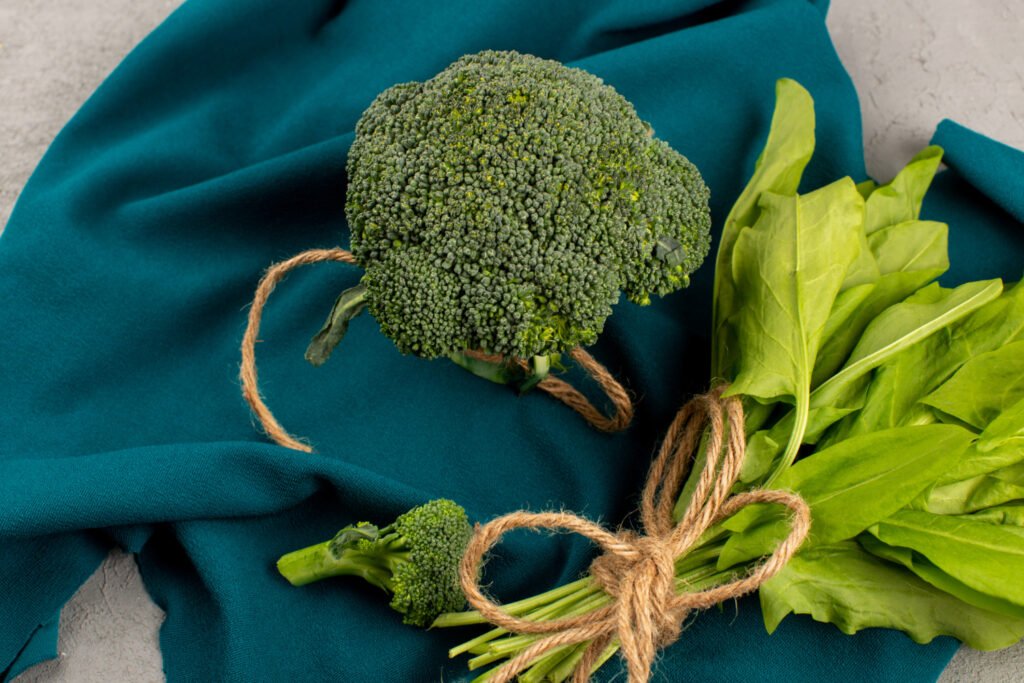
The texture of crocolini is tender yet slightly crunchy, offering a satisfying bite. It is also more sweet than broccoli, making it a favorite for those who prefer a milder taste. Its smaller florets and longer stalks also make it easier to cook and serve in a variety of dishes, giving it a gastronomic versatility that’s hard to beat.
Habitat and Diet of Crocolini
Crocolini thrives in temperate climates, where it enjoys plenty of sunlight and cool weather. It is grown in many regions around the world, including Europe, parts of Asia, and the United States. The plant prefers well-drained soil and requires regular watering to maintain its tender texture. Like other cruciferous vegetables, crocolini benefits from organic matter and balanced fertilizers to help it grow.
As a hybrid of broccoli and Chinese broccoli, crocolini shares similar soil and climate requirements with these two vegetables. The potassium for blood pressure it contains is vital for its growth, and a healthy environment helps maximize its nutrient content. Farmers use sustainable practices to grow crocolini, ensuring that it remains a sustainable vegetable option for future generations.
Crocolini as Pets: Popularity and Ethical Concerns
While crocolini is not typically kept as a pet in the traditional sense, some people enjoy cultivating it in their homes as an ornamental plant. Its striking appearance and ease of care make it an attractive choice for plant lovers. However, there are some ethical concerns regarding the farming and commercial sale of crocolini. As with any agricultural product, sustainability is a key factor in its production.
The sustainable cooking options and environmental impact of growing crocolini have made it a topic of interest in discussions about ethical food consumption. It’s important to consider how crocolini is grown and how its popularity affects local ecosystems. As demand increases, the farming practices around this vegetable will likely evolve to ensure sustainability.
How to Shop and Store Crocolini Properly
When shopping for crocolini, look for vibrant, firm stalks that are free from yellowing or wilting. The florets should be small, tightly packed, and a bright green color. To store crocolini, place it in the refrigerator in a perforated bag to maintain its freshness. Ideally, it should be consumed within 3 to 5 days to retain its maximum flavor and nutritional value.

Before cooking, rinse crocolini thoroughly and trim the tough ends of the stems. Depending on the recipe, you may want to cut the stems into smaller pieces to ensure they cook evenly. Proper storage is key to maintaining the vegetable’s nutrient retention, ensuring it stays fresh and flavorful until you’re ready to use it.
Conclusion
Crocolini is a nutrient-dense food that provides an excellent source of vitamins A, C, K, fiber, and antioxidants. Whether you’re looking for a quick weeknight dinner or a sophisticated addition to a gourmet dish, crocolini can be a fantastic choice. It offers unique health benefits, including support for the immune system, heart disease prevention, and healthy bones. With its gastronomic versatility, crocolini can be grilled, sautéed, roasted, or steamed, making it an excellent ingredient for a variety of cuisines, from Mediterranean to Asian.