Understanding VHSGJQM: Definition, Purpose, and Modern Relevance
VHSGJQM is emerging as one of the most influential innovations shaping America’s digital future, offering a powerful foundation for advanced connectivity, intelligent automation, and future-ready computational performance. As modern industries race toward faster data movement, stronger security, and uninterrupted ecosystem integration, VHSGJQM introduces a next-generation model capable of supporting complex workloads with remarkable efficiency.
Its adaptable structure transforms how enterprises operate, enabling smarter routing, improved reliability, and seamless interaction across cloud, edge, and AI-driven systems. Designed for modern scalability, VHSGJQM sets new expectations for digital connectivity, secure communication, high-speed networks, next-gen infrastructure, and data automation, positioning itself as a core technology for long-term innovation in the United States.
The Evolution of High-Speed Protocols and VHSGJQM’s Place in Digital History
The birth of VHSGJQM reflects decades of progress across high-speed communication standards, beginning from early broadband architectures and advancing toward hyper-efficient software-defined networking layers. Historically, U.S. industries relied on fragmented connectivity formats that created bottlenecks in data processing and reduced the ability to support fast-moving workloads.
VHSGJQM enters the digital timeline at a moment when organizations demand seamless interoperability, quantum-resistant encryption, ultra-low latency, and adaptive automation inside mission-critical environments. Its arrival represents a major shift from traditional protocol dependencies to a unified and intelligent model that merges edge computing, AI-generated routing intelligence, and latency-proof design philosophies. The position of VHSGJQM in digital history is therefore transformative, bridging the gap between legacy communication systems and fully autonomous, future-ready infrastructures.
Core Principles and Architectural Foundations of VHSGJQM
VHSGJQM is constructed on core architectural principles that center around real-time adaptability, multilayer security, dynamic orchestration, and modular resource allocation. The framework employs intelligent routing mechanisms that continuously analyze network behaviors, reducing congestion and optimizing throughput across distributed environments. Its modular foundation enables seamless integration with existing American enterprise systems while maintaining the flexibility to expand into advanced cloud and IoT infrastructures.
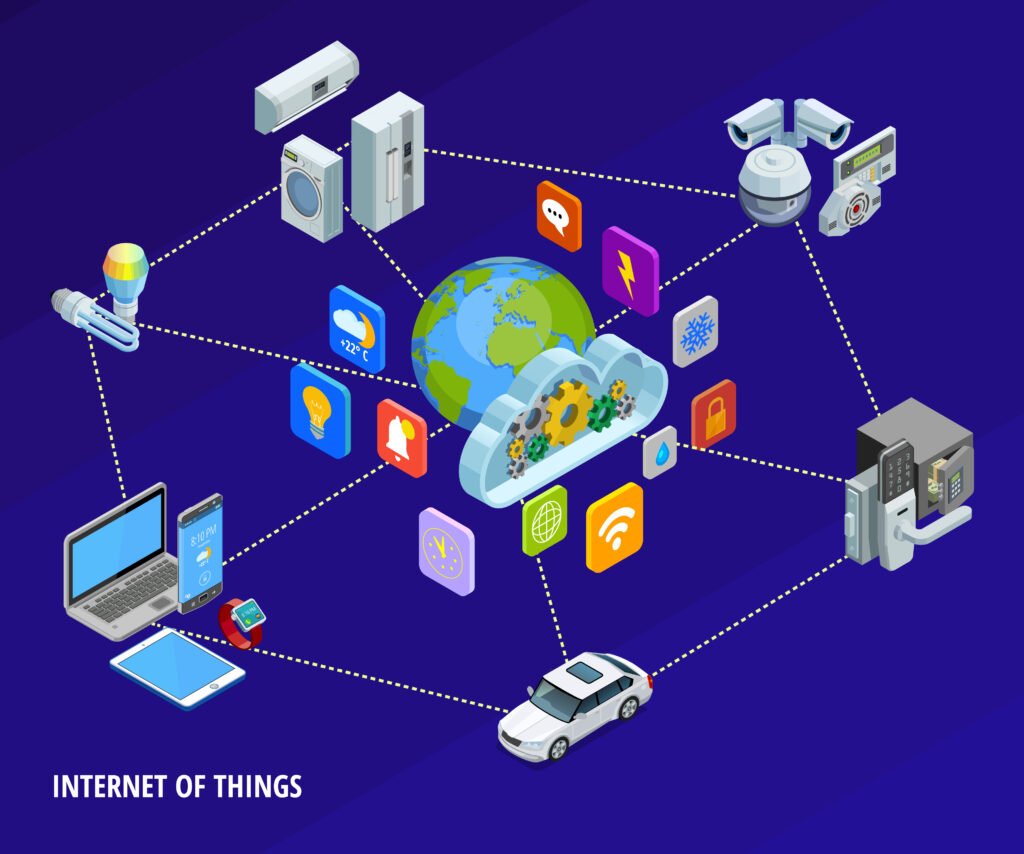
Another essential principle of VHSGJQM is its quantum-safe security posture, which protects sensitive industries such as defense, finance, healthcare, and government operations from emerging digital threats. These architectural foundations allow VHSGJQM to operate not only as a protocol but as a strategic digital ecosystem capable of supporting long-term technological evolution.
VHSGJQM vs. Traditional Connectivity Models: A Deep Comparative Breakdown
Traditional models rely heavily on static routing, limited throughput, and security layers that struggle against modern cyber-risks, which restrict their ability to support high-volume, low-latency operations. VHSGJQM disrupts these limitations by enabling multi-path transmission, automated anomaly detection, intelligent packet prioritization, and self-healing connectivity behaviors. Where older systems require manual configuration and fragmented integration workflows, VHSGJQM introduces automation-driven orchestration that accelerates deployment and enhances performance consistency. This comparison makes it clear that VHSGJQM shifts the entire operational paradigm from reactive decision-making toward autonomous optimization, giving U.S. enterprises a framework that supports digital transformation at a national scale.
Performance Advantages: Speed, Security, Automation, and Latency Reduction
VHSGJQM delivers performance advantages that directly align with the needs of American businesses undergoing rapid modernization. Its speed improvements come from optimized data pipelines and adaptive compression models that reduce the overhead traditionally associated with enterprise data transfers. VHSGJQM enhances security through multi-layer quantum-resistant encryption and automated threat-identification modules that protect networks in real time. Automation remains one of the most powerful advantages, enabling tasks such as routing, monitoring, and resource scaling to be managed by AI-driven engines. Latency reduction is achieved through intelligent load balancing and edge-aware routing, ensuring real-time responsiveness for workloads like autonomous systems, emergency communication networks, and U.S.-based industrial automation processes.
VHSGJQM in Enterprise Ecosystems: Integration, Deployment, and Real-World Applications
VHSGJQM seamlessly integrates into American enterprise ecosystems by adopting flexible architecture layers that support hybrid, on-premise, and full cloud infrastructures. Deployment workflows leverage containerized modules, making it easier for IT departments to integrate VHSGJQM with existing security frameworks, ERP systems, data centers, and multi-cloud strategies. Real-world applications span critical fields such as telemedicine, fintech automation, aerospace analytics, supply-chain intelligence, and smart-city management. U.S. companies implementing VHSGJQM gain the ability to automate essential tasks, analyze data at scale, and create fast, secure, low-friction digital environments that improve productivity and control operational risk.

Infrastructure Requirements: Hardware, Software, and Compatibility Challenges
Implementing VHSGJQM requires a balanced approach to hardware and software compatibility, especially for enterprises transitioning from legacy systems. High-performance servers, intelligent switches, optimized routing devices, and robust security gateways create the foundational hardware layer necessary for stable VHSGJQM deployment. On the software side, organizations must adopt virtualization platforms, container orchestration engines, real-time monitoring tools, and compliance-aligned analytics systems. Compatibility challenges typically arise when outdated devices cannot support adaptive routing or encryption requirements, which makes modernization essential for long-term performance. While the initial infrastructure investment can be significant, U.S. organizations benefit from a scalable architecture built for future growth.
VHSGJQM’s Role in Cloud Computing, IIoT, and Quantum-Driven Innovation
VHSGJQM plays a pivotal role in accelerating cloud computing across U.S. enterprises by supporting high-speed interconnectivity between distributed cloud regions and edge-powered devices. Its integration with Industrial IoT environments strengthens automation layers within manufacturing, logistics, and energy sectors where real-time data accuracy determines operational success. The quantum-driven component of VHSGJQM makes it future-proof, as the protocol embeds quantum-safe encryption and computational models that prepare businesses for the coming era of quantum processing. This combination positions VHSGJQM as an essential backbone technology for organizations seeking long-term stability in digitally intensive industries.
Scalability, Compliance, and Cost Frameworks for Large-Scale VHSGJQM Deployment
Scalability is one of the defining strengths of VHSGJQM, enabling U.S. companies to expand from small-scale implementations to nationwide infrastructures without major architectural redesigns. By using elastic resource pools and predictive automation, VHSGJQM adjusts its performance according to real-time workload conditions. Compliance frameworks ensure alignment with American regulatory standards including data privacy, cybersecurity, financial auditing, and industry-specific controls. Although initial costs may vary depending on infrastructure readiness, VHSGJQM reduces long-term operational expenses through automation, resource optimization, and reduced downtime. These cost efficiencies make the framework ideal for large-scale deployment across government agencies, enterprise institutions, and high-traffic digital platforms.
Global Adoption, Industry Leaders, Myths, and the Future Roadmap of VHSGJQM
Worldwide adoption of VHSGJQM continues to grow as organizations recognize its ability to improve reliability, accelerate digital innovation, and secure high-value data assets. Industry leaders across finance, healthcare, aerospace, and manufacturing are developing strategic integrations that enhance their competitiveness in an increasingly digital market. Many myths surrounding VHSGJQM relate to its complexity and perceived implementation costs, yet real deployments show that automated orchestration and modular architecture significantly simplify adoption. The future roadmap includes quantum-adaptive routing, fully autonomous network management, advanced AI-driven optimization, and stronger integration across the global digital supply chain. The evolution of VHSGJQM is set to define the next decade of connectivity, automation, and secure digital transformation.

Conclusion
VHSGJQM represents a milestone in next-generation digital connectivity, offering U.S. businesses a framework built for speed, security, and long-term innovation. By reshaping enterprise communication models, supporting AI-driven automation, and preparing organizations for the arrival of quantum computing, VHSGJQM delivers a future-ready foundation for national and global digital ecosystems. As industries continue accelerating toward cloud-native infrastructures and high-performance automation, VHSGJQM stands as a reliable, powerful, and fully scalable solution designed to meet the evolving requirements of advanced digital transformation.