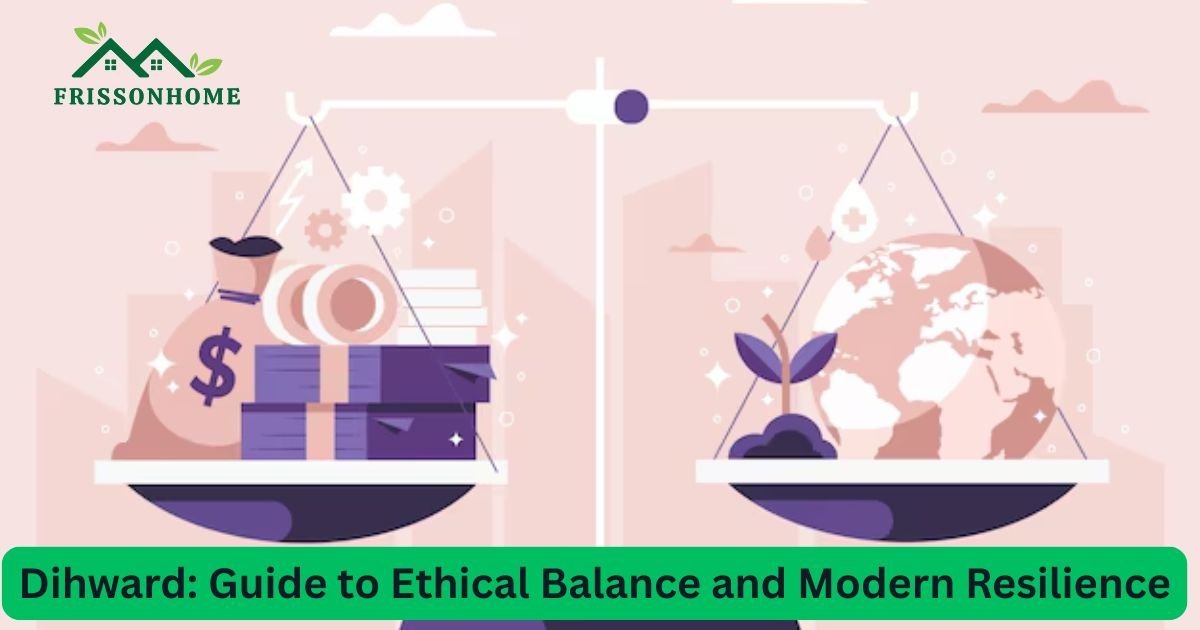
The concept of dihward is becoming important in today’s fast-changing world, where people search for clearer values and stronger personal direction. It encourages individuals to think deeply, act wisely, and grow with purpose. The idea of dihward blends modern learning with inner awareness, helping people shape a life that feels balanced and meaningful.
It also guides thinkers and leaders to make choices based on humanity, clarity, and long-term vision. Many people see dihward as a path that supports both personal and social progress through steady improvement. This approach aligns with structured flexibility, ethical adaptability, value-based decision making, ethical resilience, and a future-ready mindset, making it highly relevant today.
Understanding the True Meaning and Origins of Dihward
Dihward comes from two symbolic parts that reveal its deeper meaning. “Dih” represents a stable center. “Ward” means to guard or guide. Together they form a concept that helps you hold your truth while still moving forward. People see Dihward as a bridge between ancient thought and modern living. It blends a modern ethics framework with a future-ready mindset, creating a tool for anyone who wants clarity in a noisy world. At its core, Dihward supports principle-centered living, giving you a simple way to follow balanced adaptation without losing your direction.
Linguistic Roots, Symbolic Meaning, and the Evolution of the Term “Dihward”
The idea grew as experts studied ethics, psychology, and cultural change. Many felt the world needed a fresh term to explain how humans can evolve without collapsing their values. They saw a need for digital age ethics, ethical leadership, and sustainable growth principles that fit today’s pace. Over time, Dihward became a symbol of human-centered development and responsible innovation.
It also shaped ideas about AI ethical governance, because technology now requires moral clarity as much as technical skill. Writers and thinkers use Dihward to express a behavioral ethics model that ordinary people can understand. It teaches you how to build a resilient mindset and follow ethical transformation in your daily routine. It also encourages an integrity-driven approach for communities that want adaptation with values.
Why Dihward Matters in Today’s Rapidly-Changing Digital World
Life moves fast. Tech changes faster. That speed creates pressure for everyone—from families to global leaders. Dihward matters because it gives you a method to slow the noise and make smart choices. It helps you use ethical philosophy and adaptive principles in real time. It keeps you focused on value preservation, even when the world pulls you in many directions.
You start seeing decisions through moral decision-making, which protects your balance. People use Dihward to build ethical frameworks that help them handle new trends without fear. You learn how to steady your mind with resilience strategies instead of reacting emotionally. When tech feels overwhelming, Dihward helps you stay grounded through digital ethics and governance balance so that progress stays human.
The Growing Need for Ethical Adaptation in a High-Speed Society
The digital world creates new risks every day. That is why people turn to ethical innovation as a safety anchor. Dihward shows you how to mix speed with moral responsibility so you stay honest while adapting. This helps you develop an ethical mindset that grows stronger under pressure. Many use Dihward to guide cultural transformation in workplaces and communities. It supports personal resilience, which keeps you steady during crises. It also encourages AI accountability and sustainability ethics so that technology remains fair and healthy.
The Dihward model helps people break harmful cycles and practice ethical behavior patterns that make society calmer. Leaders use it to practice principled leadership rooted in truth. You learn the art of responsible adaptation, which lets you evolve without breaking your values. Every action becomes a form of ethical discipline, leading you toward future-focused ethics.
The Core Philosophy and Foundational Principles Behind Dihward
At its center, Dihward focuses on seven supportive principles. These principles build a wide foundation. They help you walk through change without feeling lost. You learn how to align your actions with purpose. This shows you how to protect your values even when life tests you. Dihward shapes a way of thinking where ethics and adaptability meet. It keeps your inner compass steady. With practice, you begin feeling stronger, calmer, and more confident in every decision.

The Six Ethical Pillars That Define Dihward’s Balanced Framework
These pillars help you understand why Dihward works. They teach you how to build your resilience through truth. They guide you toward clarity so you can speak and act with confidence. Each pillar supports the next, creating a balanced structure that improves your thinking and choices.
The Role of Dihward in Building Ethical Resilience in Technology and Society
Technology shapes everything in modern life. It affects how we talk, think, learn, and work. This makes Dihward critical. It shows you how to use tech with purpose, not fear. It helps you build systems that respect human needs. You begin to see how tech can create good outcomes when guided by strong ethics. Dihward connects human intuition with digital innovation, keeping progress grounded. This lets you use tools wisely and avoid harm.
How Dihward Supports Human-Centered Innovation and Digital Responsibility
Dihward allows you to balance the emotional side of humanity with the logical side of tech. It brings warmth to digital systems. It helps developers design with empathy. It guides leaders to make choices that protect people. Through this, technology becomes a force for good rather than chaos.
Modern Applications of Dihward Across Governance, Business, and Innovation
Governments use Dihward to create policies that protect citizens. Businesses use it to build trust with customers. Innovators use it to design tools that help people grow. Across every field, Dihward brings balance to complex systems. It helps you create strategies that adapt to change without losing integrity. It turns uncertainty into opportunity by aligning ethics and progress.
Practical Use Cases in Policy, Corporate Strategy, and Emerging Tech
Here is a simple table showing where Dihward works best:
| Field | How Dihward Helps |
| Governance | Builds fairness and accountability |
| Business | Improves trust and long-term growth |
| Technology | Protects human values in innovation |
How Dihward Shapes Personal Growth, Mindset, and Everyday Decision-Making
Dihward changes how you see yourself. It encourages honesty. It gives you courage to face difficult choices. You start living with intention instead of habit. Your mind becomes clearer and your stress becomes lighter. You begin setting boundaries that respect your health. This helps you live with strength and awareness.

Applying Dihward to Emotional Intelligence and Daily Ethical Choices
Dihward makes emotional intelligence easier. You start seeing your feelings as signals. You learn how to respond instead of react. This creates a healthier rhythm in your days. You make choices that reflect who you want to become.
Dihward in Culture, Storytelling, and Its Evolving Global Identity
Storytellers use Dihward to express growth and transformation. In movies and books, the idea of guarding values during change appears often. It gives characters depth and power. It helps audiences understand how courage and wisdom work together. Many artists are now using Dihward to explore moral conflict in fresh ways. It helps them write stories that feel real and inspiring.
How Fiction, Media, and Myth Reinforce the Symbolism of Dihward
Writers often use symbols like light, shields, or balance to express Dihward. These images help people understand the concept without technical language. They show the struggle of staying true while overcoming obstacles.
Real-World Examples Demonstrating Dihward in Action
During global crises, leaders who followed Dihward stayed calm. They guided their people with fairness. They made decisions rooted in values. This helped communities survive tough times. In companies, teams that practiced Dihward built trust even during layoffs or disruptions. In technology, developers who followed ethical steps created safer systems.
Case Studies from Leadership, Innovation, Crisis Response, and Digital Ethics
A powerful example appeared during the pandemic when cities combined safety rules with economic support. They balanced lives and livelihoods. That balance reflects Dihward in action.
How to Implement Dihward in Your Personal and Professional Life
You can begin by writing your core values. Then, compare your daily actions with those values. Adjust slowly. Watch your habits. Choose what aligns with your purpose. Dihward becomes stronger with consistency. It becomes easier when you practice reflection and honesty.
Actionable Steps, Mindset Tools, and Strategic Routines for Americans
Simple choices shape your growth. You can take walks to clear your mind. You can keep a journal. You can talk openly with people you trust. You can practice small acts of courage every day.
The Future of Dihward and Its Growing Importance for the Next Generation
Dihward will guide schools, workplaces, and governments. Its core message fits the future. Kids will grow up learning how to stay strong without becoming rigid. They will learn how to adapt without losing their truth. This makes Dihward valuable for the next century.

Predicting Dihward’s Role in AI Policy, Workforce Culture, and Global Leadership
Dihward will shape the rules that guide AI. It will help leaders build fair workplaces. It will support cultures that respect honesty and innovation equally.
Conclusion
Dihward gives you a way to live with balance. It brings clarity to a noisy world. It helps you grow with purpose. Its ideas guide families, leaders, creators, and innovators. When you follow Dihward, you protect your values while moving boldly into the future.